
Consulting giant Bain & Company just made its first move into the direct air capture space. The firm agreed to purchase 9,000 metric tons of carbon dioxide removal credits over three years from 1PointFive, the carbon capture subsidiary of Occidental Petroleum.
The credits will come from STRATOS, a facility in Texas that's currently progressing through startup activities. Once operational, STRATOS will be the world's largest direct air capture facility, designed to pull up to 500,000 tonnes of CO2 from the atmosphere each year.
>> RELATED: Oxy's STRATOS Update: The Future of Direct Air Capture Nears Completion

What Makes This Deal Matter
Bain's entry into the DAC market signals where corporate sustainability is heading. The firm pledged in 2022 to maintain a net-negative carbon footprint every year, and this purchase directly supports that commitment.
To put the numbers in context, 9,000 tons of removed CO2 equals roughly the emissions from 10,000 long-haul roundtrip flights. The captured carbon will be stored through geologic sequestration, one of the most durable forms of carbon storage available.

"We believe this agreement demonstrates continued momentum for the solution, while supporting the development of vital domestic infrastructure."
Anthony Cottone, President and General Manager, 1PointFive
Bain's Growing Carbon Portfolio

Bain's carbon removal portfolio now includes Direct Air Capture, alongside their historical investments and 2050 net-zero goals.
This isn't Bain's first venture into carbon removal, but it is their first foray into DAC technology specifically. Over the past five years, the firm has invested in 1.1 million tonnes of high-quality carbon removal credits across biochar, ocean alkalinity, and other engineered pathways.
The company has set clear targets: reduce Scope 1 and 2 emissions by 30% and Scope 3 business travel emissions by 35% per employee by 2026, with full net-zero by 2050.
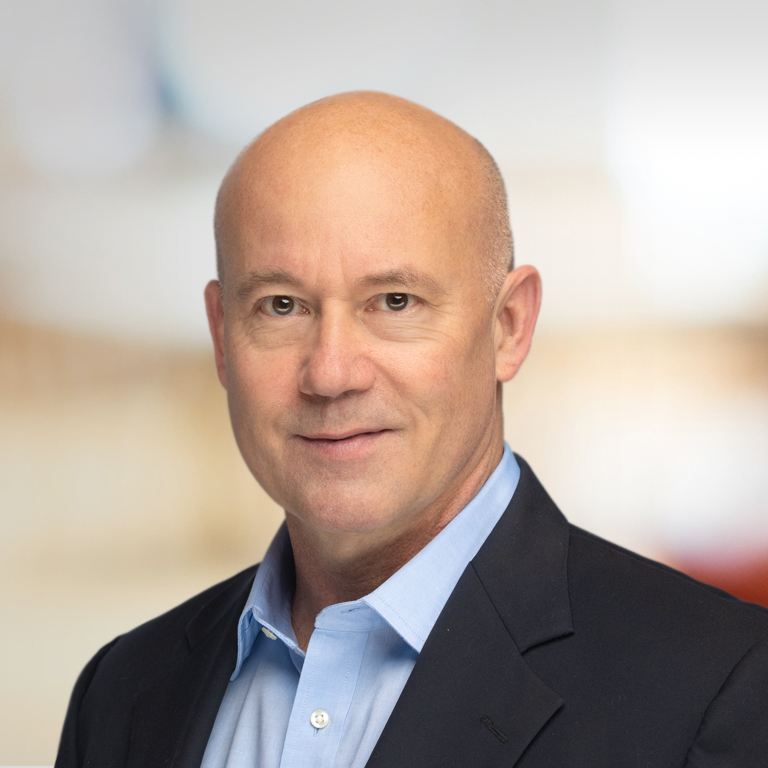
"We are proud to partner with 1PointFive and add them to our portfolio of engineered carbon removal technologies. Their track record for developing DAC technology coupled with their deep understanding of what it takes to deliver large-scale infrastructure projects uniquely positions them to be a leader in this emerging segment."
Sam Israelit, Chief Sustainability Officer, Bain & Company
>> In Other News: Questa Hydrogen Project Moves Forward In 2026
The Bigger Picture: Corporate Buyers Are Piling In
Bain joins an impressive roster including Microsoft (500,000 tonnes), Amazon (250,000 tonnes), and Boston Consulting Group (21,000 tonnes). Corporations aren't waiting for DAC technology to become cheap. They're investing now to secure credits they'll need for net-zero deadlines.
STRATOS: The Texas Facility Setting the Pace
Located in Ector County, Texas, STRATOS represents a turning point for direct air capture commercialization. The facility received its Class VI permits from the EPA in April 2025, the first ever issued for a DAC project.

The STRATOS facility in the Permian Basin is designed to capture up to 500,000 tonnes of CO2 annually, backed by a significant $550 million investment from BlackRock.
What This Means for the Carbon Removal Market
The durable carbon removal market crossed 1 million tonnes in actual deliveries in 2025. Analysts project it could expand from roughly $3.4 billion in 2024 to $25 billion by 2029, with engineered CDR credits generating over $14 billion by 2035.
The US carbon capture industry now represents more than 270 publicly announced projects and $77.5 billion in capital investment. Federal incentives like the Inflation Reduction Act's 45Q tax credit, which provides $180 per ton for DAC with geologic storage, have helped narrow the economics.
Why Companies Are Buying Early
- Durability: DAC with geologic storage offers centuries-long carbon removal
- Measurability: Quantitative, auditable data tracks exactly how much CO2 gets removed
- Market building: Early purchases help de-risk infrastructure development
- Supply constraints: Demand for high-quality removal credits is outpacing supply
A Signal for What's Ahead
When consulting firms that advise Fortune 500 companies start putting their own money into carbon removal, it signals they see real potential. Both Bain and Boston Consulting Group have now signed deals with 1PointFive, positioning the consulting sector as an unexpected early mover in the engineered carbon removal market.
For 1PointFive, each new partnership validates their approach and provides financing for continued development. As STRATOS moves toward full commercial operations, these agreements show that buyers exist for what the facility will produce.
The carbon removal market is still young, and prices remain high compared to nature-based solutions. But deals like this one show that the transition from pilot projects to commercial reality is happening faster than many expected.
Subscribe to the newsletter
Daily decarbonization data and news delivered to your inbox
Follow the money flow of climate, technology, and energy investments to uncover new opportunities and jobs.
Companies
Latest issues
-
This Washington Plant Just Made Jet Fuel From Air
Inside This Issue ⚡ AirPlant One Opens in Moses Lake: America's First Commercial E-Jet Fuel Plant Begins Operations 🏗️ Inside Holcim’s CaptureLab, Our Industry’s First Carbon Capture Test Platform...
-
Stratos Passed Its Tests. So What's the Holdup?
Inside This Issue 🏭 Stratos DAC Delay: Inside the Holdup at the World's Largest Carbon Capture Plant 🍁 TD Bank Signs Two DAC Deals in a Week: Deep Sky Is First 🛫 Technip Energies, Airbus, Safran a...
-
$20M Bet: JPMorgan Is Burying Carbon Under the Rockies
Inside This Issue 🧪 Charm Industrial Secures 61,500-Ton Carbon Removal Purchase and $20 Million Debt Financing to Catalyze Growth ✈️ IATA Urges Bigger Green Aviation Fuel Push as Production Stagna...
Company Announcements
-
From Concept to Reality: Exmar Takes Delivery of First Ammonia-Fuelled Oceangoing Ship
The first in a series of ofur midsize gas carriers, Antwerpen will act as a proving ground for ammonia as a marine fuel, advancing low- and zero-carbon fuels and informing future vessel design Up ...
-
Bayer Hopes to Speed Up Biofuel Feedstock Plan Amid Iran War Energy Crunch
LONDON, June 10 (Reuters) - Bayer (BAYGn.DE), opens new tab is hoping to speed up a plan to facilitate North American production of biofuel feedstocks like camelina in the wake of the Iran war, the...
-
Mitsubishi Electric and Finland's VTT Establish Core Technology for Direct Ocean Capture
System uses gas-capture method and will accelerate societal implementation by integrating with existing infrastructure TOKYO--(Business Wire)--Mitsubishi Electric Corporation (TOKYO: 6503) today a...
-
FASTECH and Bosch Rexroth to Build World's Largest Hydrogen Refueling Station for Transit Buses
San Mateo County, California, USA, June 10, 2026 (GLOBE NEWSWIRE) -- FASTECH, in collaboration with Bosch Rexroth, announced that they have been contracted by the San Mateo County Transit District ...