
Chevron's Q2 2025 results reveal a company aggressively positioning itself in the carbon management space while building out its hydrogen capabilities. Despite earnings dropping to $2.5 billion from $4.4 billion year-over-year, the energy giant is making strategic bets on technologies that could reshape the industry.
The company's Chevron New Energies division is spearheading efforts across carbon capture, hydrogen production, and renewable fuels. These aren't just side projects, they're becoming core to Chevron's long-term strategy as energy markets evolve.
>> RELATED: Chevron Doubles Down on U.S. Hydrogen Innovation with Dual Projects in Texas and California
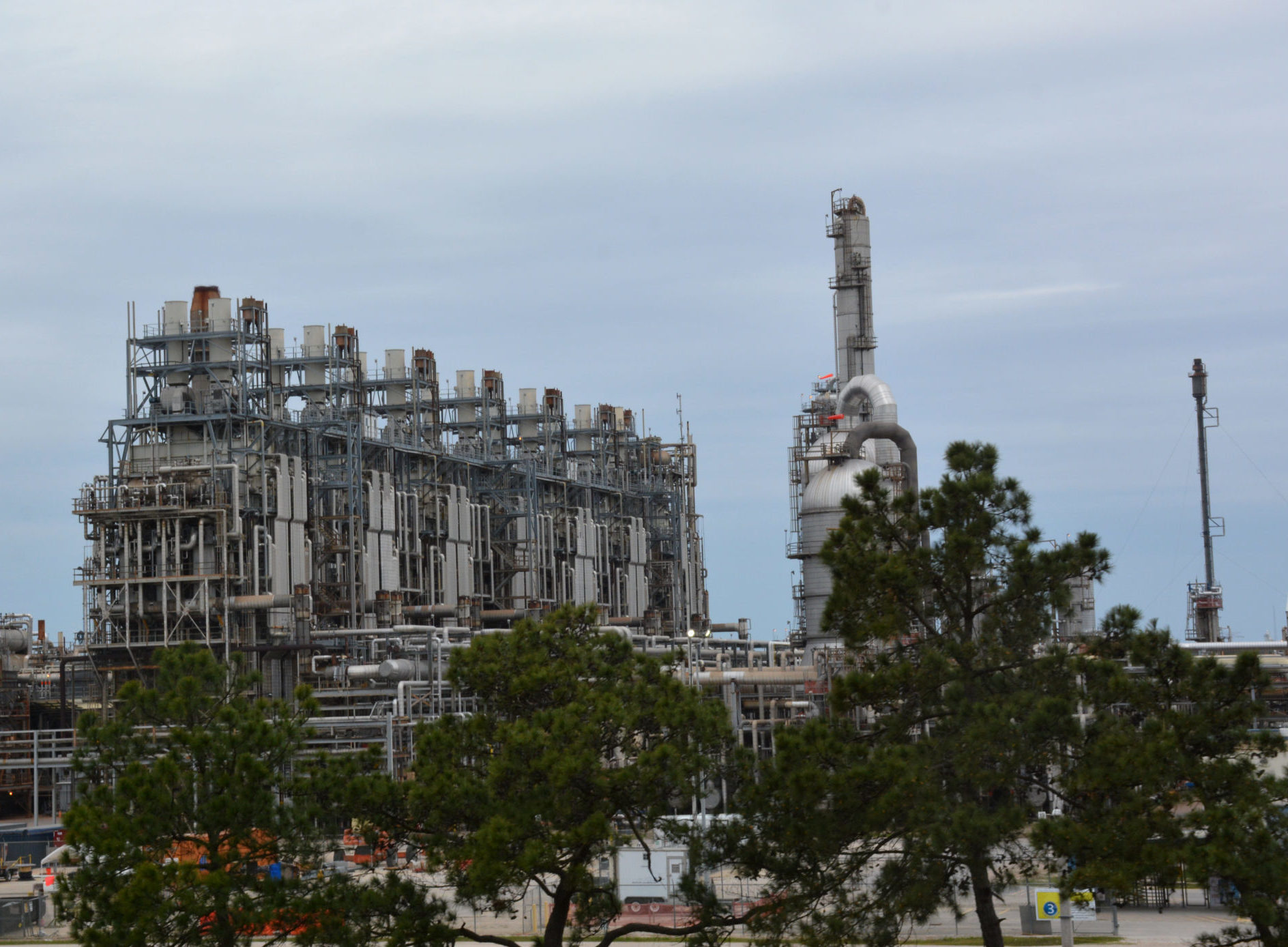
Bayou Bend: Setting the Stage for Industrial-Scale Carbon Storage
The centerpiece of Chevron's carbon strategy is the Bayou Bend CCS project, which could become one of the largest carbon storage hubs in the United States. The offshore hub will be located in the U.S. Gulf of Mexico off the coast of Jefferson County in Southeast Texas, with early estimates showing a potential storage capacity between 225 million and 275 million metric tons of carbon dioxide from industrial operations in the area.
Nearly 100,000 acres were acquired onshore in Chambers and Jefferson Counties, Texas, positioning the project as a major carbon storage solution. The total acreage holds a gross storage capacity of more than one billion metric tons, serving industrial emitters in the Houston Ship Channel and Port Arthur region.
Key Facts: Bayou Bend CCS Project
- Initial Storage Capacity: 225-275 million metric tons of CO2
- Total Potential: More than 1 billion metric tons gross storage
- Onshore Coverage: Nearly 100,000 acres in Texas
- Location: US Gulf Coast, Southeast Texas offshore and onshore
- Partners: Chevron, Talos Energy, Carbonvert, Equinor
Offshore and onshore wells are gathering data that provides a clearer picture of the subsurface for the planned carbon dioxide storage hub. This groundwork is essential for creating what could become a major industrial decarbonization solution for Southeast Texas.
ACES Hydrogen Project: Utah's Clean Energy Storage Hub
While carbon capture grabs headlines, Chevron's hydrogen initiatives are quietly building momentum. The Advanced Clean Energy Storage project in Delta, Utah plans to use electrolysis to convert renewable energy into hydrogen and will utilize solution-mined salt caverns for seasonal, dispatchable storage of the energy.
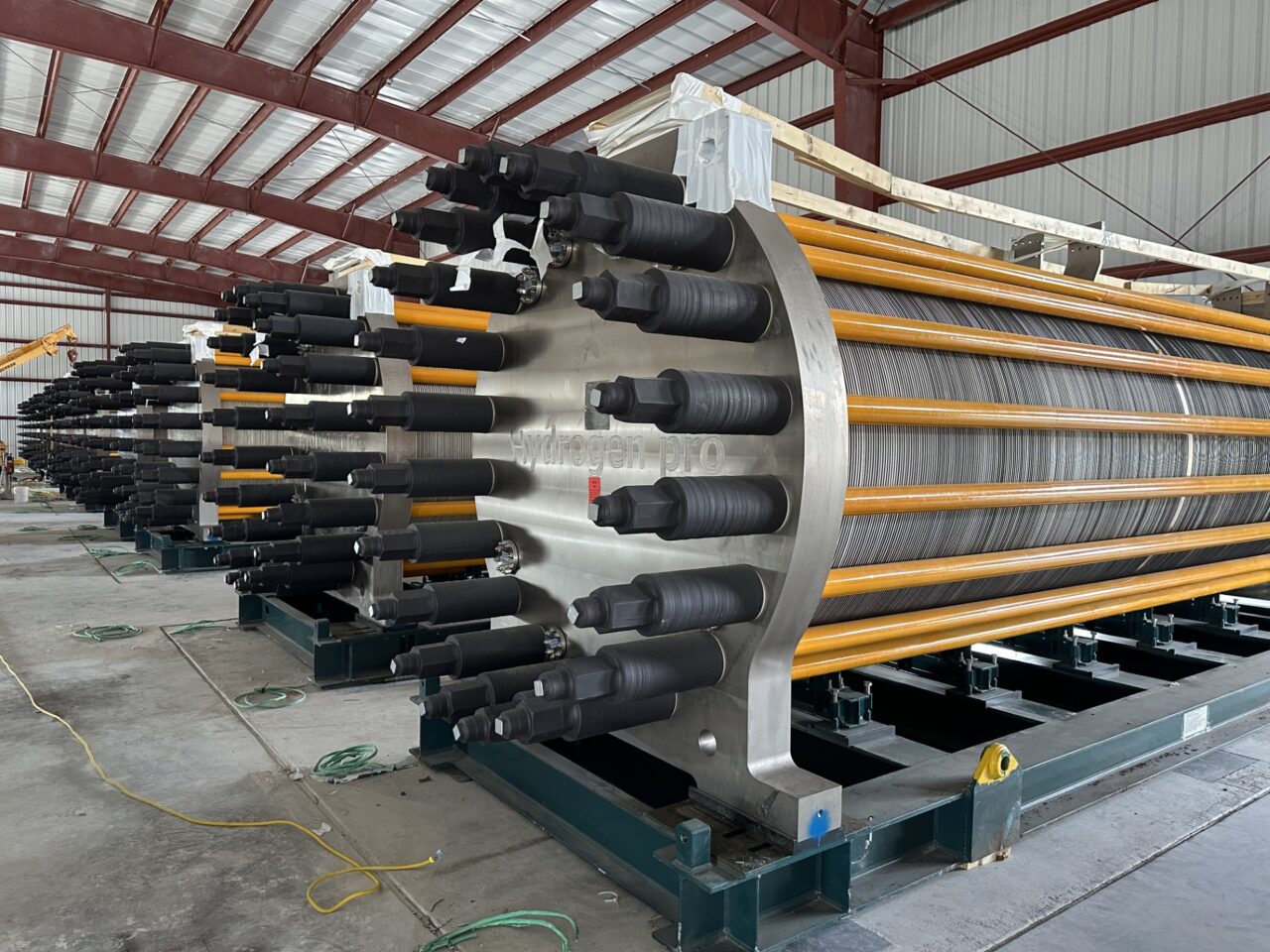
The ACES Delta project will feature 220MW of electrolysers that will be powered by renewable energy to produce up to 100 metric tonnes of green hydrogen a day, to be stored in two huge salt caverns with a combined storage capacity of 300GWh. This makes it one of the largest planned hydrogen storage facilities in North America.
>> In Other News: MATHESON to Build New Air Separation Plant in Las Vegas, Nevada, USA
Commercial Operations Target 2025
The ACES hydrogen project is expected to begin commercial operation in 2025. It will supply hydrogen to the Intermountain Power Agency for its IPP Renewed Project, which aims to transition to lower carbon power generation. This direct utility application shows hydrogen moving from pilot to commercial scale.
Chevron acquired a majority stake in the project through a joint venture with Mitsubishi Power Americas. The unique geology of the Delta region provides ideal conditions for large-scale hydrogen storage in underground salt formations.
"The ACES project can demonstrate hydrogen's potential at scale."
Note: The following quote is a paraphrased summaries from authoritative sources, not direct verbatim excerpts. For full context and exact wording, please refer to the linked reports.
Financial Reality Check: Lower Earnings, Higher Ambitions
Chevron's Q2 2025 financial results show the challenge of balancing traditional energy profits with future technology investments. Net income of $2.5 billion represented a significant drop from the previous year's $4.4 billion, partly due to the Hess acquisition and volatile oil prices.
Despite lower earnings, the company maintained strong cash generation and delivered $5.5 billion in shareholder returns. Capital expenditure stood at $3.7 billion, with strategic investments in carbon management and hydrogen projects representing a growing portion of the spending mix.
| Financial Metric | Q2 2025 | Q2 2024 |
|---|---|---|
| Net Income | $2.5 billion | $4.4 billion |
| Capital Expenditure | $3.7 billion | Higher (previous year) |
| Shareholder Returns | $5.5 billion | N/A |
Beyond Pilot Projects: Commercial Scale Operations
The renewable diesel expansion in Louisiana demonstrates Chevron's ability to scale low-carbon technologies successfully. The facility increased output from 7,000 to 22,000 barrels per day, showing how pilot projects can evolve into commercial operations.
This operational success provides a template for rolling out CCS and hydrogen projects. Both Bayou Bend and ACES are designed for industrial-scale deployment rather than demonstration purposes, indicating Chevron's confidence in commercial viability.

"Second quarter results reflect continued strong execution, record production and exceptional cash generation. The completion of the Hess acquisition further strengthens our diversified portfolio and positions us to extend our production and free cash flow growth profile well into the next decade."
Mike Wirth, Chairman and CEO, Chevron Corporation
Integration with Existing Infrastructure
What sets Chevron apart is how it's integrating these new technologies with existing capabilities. The Bayou Bend project leverages decades of Gulf Coast geological expertise and offshore operations experience, while hydrogen projects build on the company's chemical processing and energy infrastructure knowledge.
This integration approach could provide competitive advantages as carbon management and hydrogen markets mature. Rather than building entirely separate business lines, Chevron is adapting its core competencies for emerging energy markets.
Strategic Positioning for Market Evolution
Chevron's carbon capture and hydrogen investments represent more than environmental compliance, they're positioning moves for future market opportunities. With ACES targeting 2025 commercial operations and Bayou Bend advancing through development phases, these technologies are moving toward revenue generation.
The company's balanced approach, maintaining strong traditional energy operations while building low-carbon capabilities, reflects a pragmatic strategy for energy market evolution. As both projects advance toward commercial operation, they'll test whether this dual approach can deliver sustained value creation across changing energy markets.
Subscribe to the newsletter
Daily decarbonization data and news delivered to your inbox
Follow the money flow of climate, technology, and energy investments to uncover new opportunities and jobs.
Companies
-
Chevron
CVX
-
Equinor
EQNR
-
Hess Corp.
HES
-
Talos Energy Inc.
TALO
-

Mitsubishi Heavy Industries
-

carbonvert
-
Latest issues
-
$600M If Carbon Crashes: Canada and Alberta's New Bet
Inside This Issue 🍁 Inside the $1.2 Billion Deal Derisking Alberta CCUS 🌍 Nine Countries Join CCSA-Led Forum To Coordinate CCUS Policies Across Europe 🌀 Deep Sky Delivers North America's First Cer...
-
Air Products Just Killed Its $4.5B Louisiana Hydrogen Project
Inside This Issue 🔋 Captura's $12.5M Raise Reveals a Lithium Play in Pasadena 🍁 Max Power Confirms Basin-Scale Natural Hydrogen Potential in Saskatchewan with Bracken Well, 325 Km from Lawson Disc...
-
Can AirCapture’s Microwaves Cut DAC’s Energy Cost?
Inside This Issue 🌬️ Aircapture's Patented Microwave Direct Air Capture Technology Wins Tencent CarbonX 2.0 Award 🗾 Fujifilm, Tokyo Gas and TGES Agree to Supply City Gas Linked to Biomethane Produ...
Company Announcements
-
VERDE HYDROGEN, world-leading zero-carbon hydrogen technology and solution provider, has officially secured a landmark supply contract with China Coal Energy Group, tasked with delivering a full se...
-
The Hydrogen Industry's Efficiency Problem May Have Just Met Its Fix
A team of researchers in Germany has discovered a highly efficient way to convert sunlight into hydrogen fuel, potentially solving some of the most critical challenges facing the green hydrogen sec...
-
STORD, Norway, July 2, 2026 /PRNewswire/ -- Höegh Evi and Nord Gas Solutions _(_formerly Wartsila Gas Solutions) have successfully completed performance testing for their ammonia-to-hydrogen cracki...
-
Rainbow Updates bioCCS Methodology to Align With EU's CRCF Framework
Rainbow, a European carbon registry approved by the ICVCM as CCP-eligible, has revised its biomass carbon removal and storage methodology to incorporate requirements from the European Union's Carbo...