
The U.S. Department of Energy just made it easier for hydrogen producers to qualify for federal tax incentives. In its latest update to the 45VH2-GREET lifecycle analysis model, the agency added four new production technologies to the list of eligible pathways for the 45V clean hydrogen tax credit. For developers who have been waiting on the sidelines, this is the green light they needed.
The expansion signals a clear commitment from federal regulators to broaden the definition of what counts as "clean" hydrogen production. Projects using renewable natural gas from wastewater treatment, animal manure biogas, and coal mine methane now have a clearer path to claiming credits worth up to $3 per kilogram of hydrogen produced.
This update comes at a pivotal moment for the U.S. hydrogen sector. The industry has been hungry for regulatory certainty, and this move delivers it.
>> RELATED: Hydrogen Hubs Face Critical Turning Point

This infographic illustrates how the DOE's 45VH2-GREET model determines Section 45V tax credits, mapping the journey from lifecycle emissions calculation to the final carbon intensity score and credit payout tiers.
What This Means for Developers
The 45V tax credit was designed to jumpstart America's clean hydrogen economy, but the original pathways left many innovative projects without a clear route to eligibility. Producers using alternative feedstocks had to navigate a separate, time-consuming provisional emissions rate (PER) process to demonstrate their technology could qualify.
Now, with these pathways built directly into the DOE's GREET model, producers can calculate their lifecycle emissions using standardized assumptions. That translates to faster project timelines and more predictable financing.
The Fuel Cell and Hydrogen Energy Association has been vocal about the need for clearer guidance.
"The final rule makes significant improvements to Treasury's initial proposal, though the guidelines remain extremely complex."
Frank Wolak, President and CEO, Fuel Cell and Hydrogen Energy Association
>> In Other News: [x](x)
The Commercial Winners
Several categories of hydrogen producers stand to benefit from this regulatory shift. The expansion particularly favors projects that leverage waste streams and capture fugitive emissions.
Who Benefits from the Expansion
- Agricultural hydrogen producers using animal manure biogas can now access credits previously out of reach, creating new revenue streams for rural communities
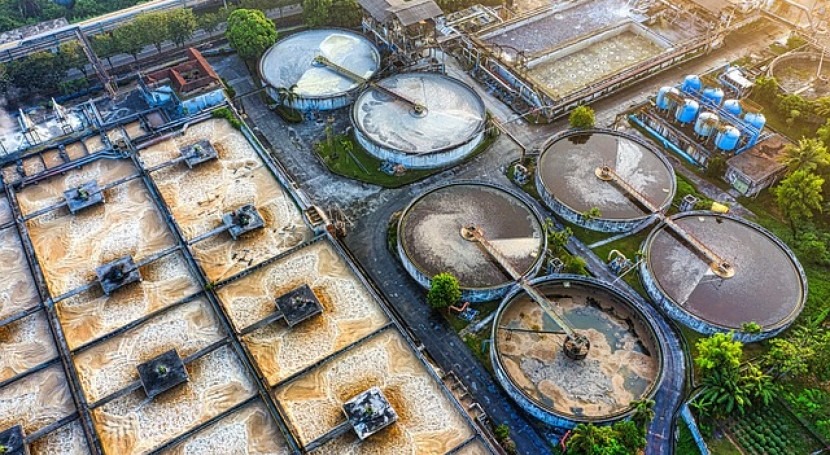
- Wastewater treatment facilities converting biogas to hydrogen gain a standardized pathway that eliminates regulatory uncertainty
- Coal mine methane projects can capture fugitive emissions and convert them to hydrogen while qualifying for substantial tax incentives
- Blue hydrogen developers using natural gas with carbon capture technology have clearer guidance on upstream emissions accounting
The timing aligns with growing momentum in the U.S. green hydrogen buildout, where billions in private capital are seeking regulatory clarity before committing to final investment decisions.
Key Facts: The 45V Tax Credit at a Glance
- Maximum credit value: $3.00 per kilogram of hydrogen (for emissions below 0.45 kg CO2e/kg H2)
- Credit duration: 10 years from facility placed in service
- Eligibility threshold: Lifecycle emissions must not exceed 4 kg CO2e per kg of hydrogen
- Model lock-in: Producers can use the GREET version in effect when construction begins
- Hourly matching deadline: Extended to 2030 for electricity sourcing requirements

Industry Reaction Splits Down the Middle
Not everyone is celebrating. Some industry voices argue the regulations still don't go far enough to unleash America's hydrogen potential. The debate centers on whether the "three pillars" requirements for clean electricity sourcing remain too restrictive for projects like large-scale green hydrogen facilities.

"The overly rigid regulations are at odds with the innovation needed in this nascent sector and will prevent the U.S. from realizing global leadership in clean hydrogen production."
Jason Grumet, Chief Executive Officer, American Clean Power Association
Still, the expansion of eligible pathways represents a meaningful step toward accommodating diverse production methods. Projects connected to regional hydrogen hubs now have additional options for structuring their operations to maximize credit value.
The Treasury Department processed roughly 30,000 public comments before finalizing the original regulations. This latest GREET update reflects ongoing engagement with industry stakeholders who identified gaps in the initial model.
The Road Ahead for Hydrogen Projects
With over $110 billion now committed globally to clean hydrogen projects, regulatory clarity in the U.S. matters more than ever. The DOE has signaled it will continue updating the GREET model as new technologies mature.
Future updates could potentially include pathways for geologic hydrogen extraction, a technology attracting growing interest from energy companies exploring naturally occurring hydrogen deposits. Projects pursuing emerging methods can still apply for provisional emissions rates.
For now, the message is clear: the federal government is committed to making the 45V credit work for diverse clean hydrogen technologies. The expansion strengthens the case for projects integrating with carbon capture infrastructure, reshaping how America produces and uses hydrogen.
Subscribe to the newsletter
Daily decarbonization data and news delivered to your inbox
Follow the money flow of climate, technology, and energy investments to uncover new opportunities and jobs.
Latest issues
-
Inside America’s Carbon Capture Reality Check
Inside This Issue ⚡ Duke Energy Florida Goes Live With First 100% Hydrogen System ✈️ Air bp Signs Agreement With Airbus on Flight Services and Fuel Supplies in Europe 🌊 Pairing Reefs and Mangroves...
-
Three Nebraska Plants Prove Ethanol CCS Actually Works
Inside this Issue 🌽 Three Nebraska Plants Prove Ethanol CCS Actually Works ☀️ SunHydrogen and CTF Solar Sign Agreement to Accelerate Hydrogen Panel Manufacturing 🧪 GenH2 Completes Major Milestone:...
-
DOE Doubles Down on $1/kg Clean Hydrogen Goal
Inside This Issue 🎯 Doe Doubles Down on $1/kg Clean Hydrogen Goal 🕳️ Quebec Introduces First Legal Framework for Underground CO2 Storage 🧪 Charbone Announces Its First Hydrogen Supply Hub in the O...
Company Announcements
-
JERA Announces Close of Haynesville Shale Gas Asset in Louisiana
TOKYO and HOUSTON, Feb. 12, 2026 /PRNewswire/ -- JERA Co. Inc., a global energy leader and Japan's largest power generation company, today announced that through its subsidiary JERA Americas Inc., ...
-
Buffalo Biodiesel Inc. (“BBD”), a leading recycler of waste vegetable used cooking oil (WVUCO) and producer of renewable feedstocks, announced that they have officially renewed a Part 364 Waste Tra...
-
Air bp Signs Agreement With Airbus on Flight Services and Fuel Supplies in Europe
Air bp has signed a multi-year contract with Airbus for the supply of conventional aviation fuel, sustainable aviation fuel (SAF), and related services in Germany and Spain. This agreement enables ...
-
BEND, Ore.--Element 1® Corp. (“e1”), an Oregon-based leader in methanol-to-hydrogen generation technology, today announced the signing of a Memorandum of Understanding (MOU) with Aurosi Precision C...