
Can Green-Steel Hubs Redefine the Steel Industry’s Carbon Footprint?
Published by Todd Bush on January 15, 2025
The steel industry, responsible for 7% of global greenhouse gas (GHG) emissions, faces an urgent need for decarbonization. Efforts to reduce emissions are taking shape globally, and one strategy gaining traction is the concept of green-steel hubs.
These hubs promise to revolutionize steel production by integrating green hydrogen, renewable energy, and innovative technologies like carbon capture, utilization, and storage (CCUS).
>> RELATED: Electra and Interfer Sign MOU to Collaborate on Clean Iron and Green Steel Production
The Need for Change in Steel Production
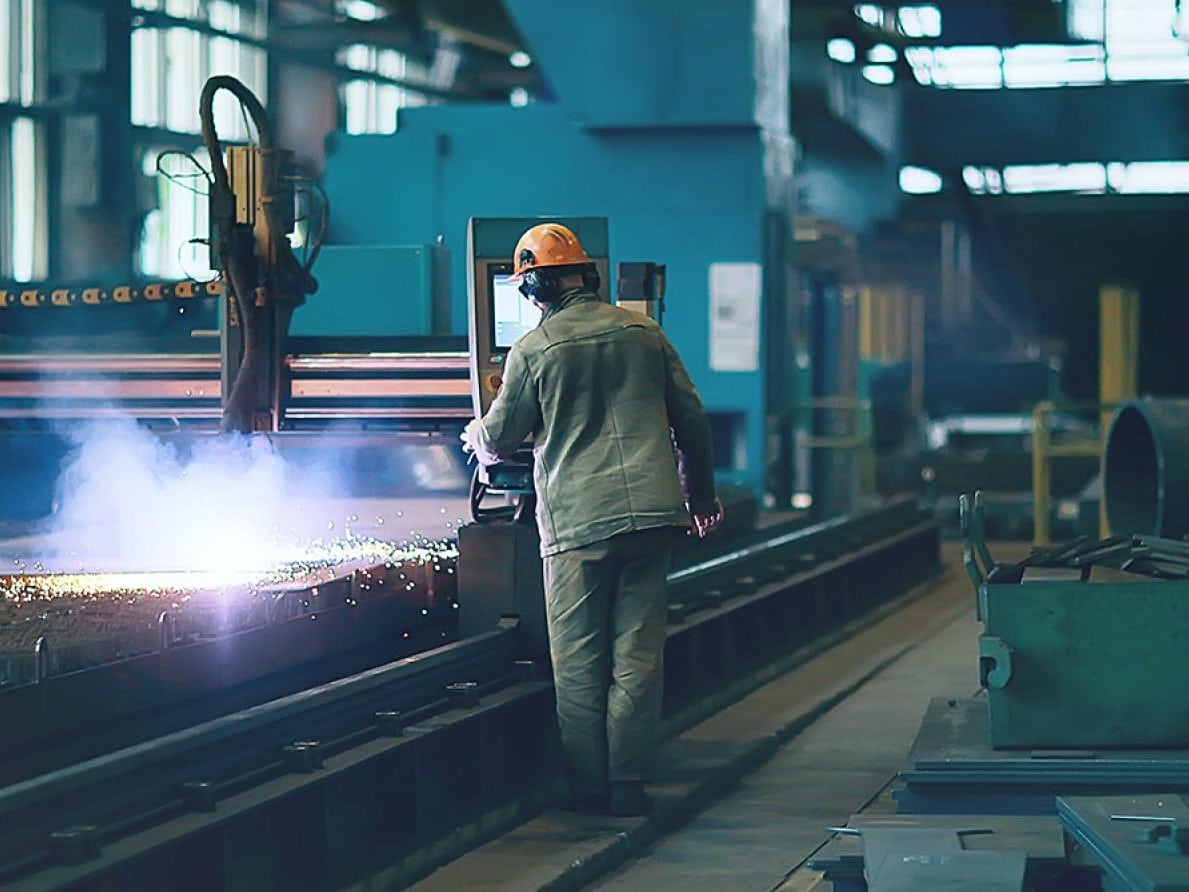
Traditional steelmaking heavily relies on blast furnace-basic oxygen furnace (BF-BOF) plants, which use coke to process iron.
This method is a major contributor to GHG emissions. To meet global climate goals, alternatives are crucial.
Europe has taken the lead, implementing CO2 taxes and legislative incentives to drive decarbonization. Other regions are expected to follow as global pressures mount.
Companies are exploring innovative solutions, such as direct reduced iron (DRI) production using green hydrogen and the adoption of electric arc furnaces (EAFs) powered by renewable energy.
What Are Green-Steel Hubs?
Green-steel hubs are strategically located facilities designed to produce low-carbon steel.
These hubs leverage low-cost energy sources, suitable raw materials like hydrogen and iron ore, and advanced technologies to cut emissions.
By separating ironmaking from steel production, green-steel hubs aim to optimize both processes and create a more sustainable supply chain.
"Green-steel hubs represent a transformative approach to reducing emissions in one of the world's most carbon-intensive industries," said a leading industry expert.
The potential benefits extend beyond environmental impact. Green-steel hubs can help stabilize supply chains, reduce reliance on imports, and support growing demand in sectors like automotive, construction, and heavy machinery.
>> In Other News: Plug Seals Monumental Deal with Allied Green Ammonia for a Mega 3 GW Electrolyzer System
Technology Driving the Transformation
At the heart of these hubs is DRI production. This method replaces coke with green hydrogen or natural gas, significantly cutting CO2 emissions.
The resulting iron is then processed in EAFs powered by renewable energy, completing the decarbonized production cycle.
Hybrid models are also being explored. These involve combining scrap steel with hot briquetted iron (HBI) produced at green-steel hubs, offering further flexibility in sourcing and production.
"The success of green-steel hubs will depend on cross-industry collaboration and strategic integration," noted a sector analyst. Such collaboration ensures the most efficient use of resources and technology.
Global and Regional Impact
Europe remains at the forefront of this movement, but North America is catching up.
The United States and Canada, with abundant natural gas and renewable energy resources, are well-positioned to develop these hubs. Recent projects focus on integrating CCUS technologies to further mitigate emissions.
For instance, green-steel hubs could be strategically located near iron ore mines in Canada or renewable energy zones in the U.S., creating a competitive advantage.
These hubs are expected to play a critical role in global decarbonization efforts, especially as more countries commit to net-zero goals.
Challenges to Overcome
Despite their potential, green-steel hubs face challenges. High initial costs, limited availability of green hydrogen, and the need for substantial investment in infrastructure are significant barriers.
Additionally, cross-industry collaboration requires coordination among various stakeholders, from energy providers to policymakers.
The transition also depends on scaling up renewable energy production and ensuring a consistent supply of materials like green hydrogen.
These efforts require long-term commitments from governments and private sectors alike.
The Path Forward
Green-steel hubs offer a practical and innovative solution to the steel industry’s carbon crisis.
By embracing technology and fostering collaboration, they can help achieve meaningful carbon emissions reductions while supporting economic growth.
As the industry continues its journey toward sustainability, the role of these hubs will likely expand. “This is more than just a shift in production methods—it’s a redefinition of how the steel industry operates,” emphasized a senior researcher.
By prioritizing decarbonization and leveraging regional strengths, green-steel hubs have the potential to transform global supply chains.
The steel industry is at a crossroads, and green-steel hubs could lead the way to a sustainable future.
Subscribe to the newsletter
Daily decarbonization data and news delivered to your inbox
Follow the money flow of climate, technology, and energy investments to uncover new opportunities and jobs.
Latest issues
-
Oil Sands Alliance Faces $43.7 Billion Price Tag
Inside This Issue 🍁 Alberta Cuts Carbon Costs to Fast-Track Pathways CCS 🏛️ EU Unveils Sweeping ETS Overhaul With €100 Billion Industrial Decarbonisation Bank 🌱 Consultation: Major Revision to Bio...
-
Wall Street Pours $1.7B Into Fuel Cells for AI
Inside This Issue 🔋 IDF, Oaktree to Invest $1.7 Billion in Bloom Energy Fuel Cells for AI Infrastructure 🌬️ Airhive Acquires Carbyon, Creating a European Leader in Low-Cost Direct Air Capture Tech...
-
AI Data Centers Just Went Hydrogen, Bosch Is In
Inside This Issue ⚡ ECL and PowerCell Announce 300 MW+ Hydrogen Power Strategic Partnership for AI Data Centers, Supported by Bosch 🍁 Canada, Alberta Ease TIER Carbon Rules to Fast-Track Pathways ...
Company Announcements
-
JERA Co., Inc. (JERA), a global energy leader and Japan's largest power generation company, today announced that it has signed a Memorandum of Understanding (MoU) with Samsung C&T Corporation (...
-
ZeroAvia and Safran Forge Partnership on Hydrogen-Electric Technologies
ZeroAvia and Safran have announced the launch of a collaboration dedicated to hydrogen-electric propulsion technologies for aviation. This partnership combines ZeroAvia’s cutting-edge expertise in ...
-
Clean Fuels Welcomes Hawaii Clean Fuel Standard for Alternative Fuels
JEFFERSON CITY, MO, Clean Fuels Alliance America applauds Hawaii Governor Josh Green, M.D., for signing legislation to create a clean fuel standard for the State of Hawaii. This new law will help d...
-
Air Liquide Invests Over 160M USD in the U.S. to Supply Advanced Chips Manufacturing in Arizona
Air Liquide announces a new investment of over 160 million US dollars to build, own and operate a new large-scale production facility in Arizona to supply essential ultra-high purity gases to the l...