
Canada’s Bold Path to Net-Zero: How the Pathways Alliance Is Reshaping Oilsands and Carbon Capture
Published by Todd Bush on May 12, 2025
A united front for a cleaner future
In Canada’s race to reach net-zero emissions by 2050, few initiatives carry as much weight—or as much promise—as the $16.5 billion carbon capture and storage (CCS) network proposed by the Pathways Alliance. This unprecedented partnership brings together major oil producers like Suncor Energy, Imperial Oil, MEG Energy, Canadian Natural Resources, Cenovus Energy and ConocoPhillips Canada, with a shared mission to reduce carbon emissions across Alberta’s oilsands.
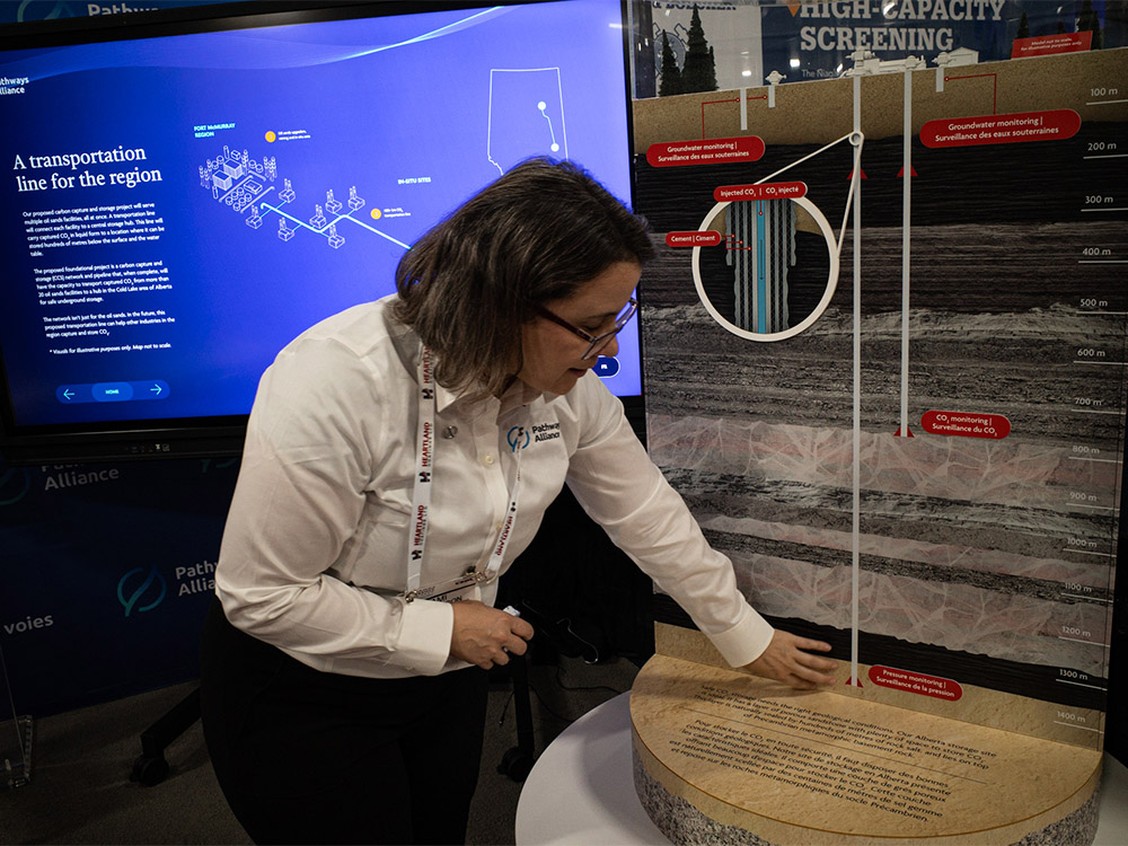
Together, these companies represent the majority of Canada's oilsands production and are investing heavily in carbon capture technologies. Their vision? A 400-kilometre pipeline that will transport CO₂ from over 20 facilities to an underground storage hub near Cold Lake.
The initiative could become one of the world’s largest integrated CCS systems once completed.
>> RELATED: Pathways Alliance and Canada Growth Fund Reignite Talks to Drive Carbon Capture in Canada’s Oil Sands
Why this project matters
Canada’s oilsands are one of the country’s most valuable exports—and its largest single source of industrial emissions. The Pathways Alliance was created in direct response to growing environmental and economic pressures, recognizing that continued prosperity depends on deep decarbonization.
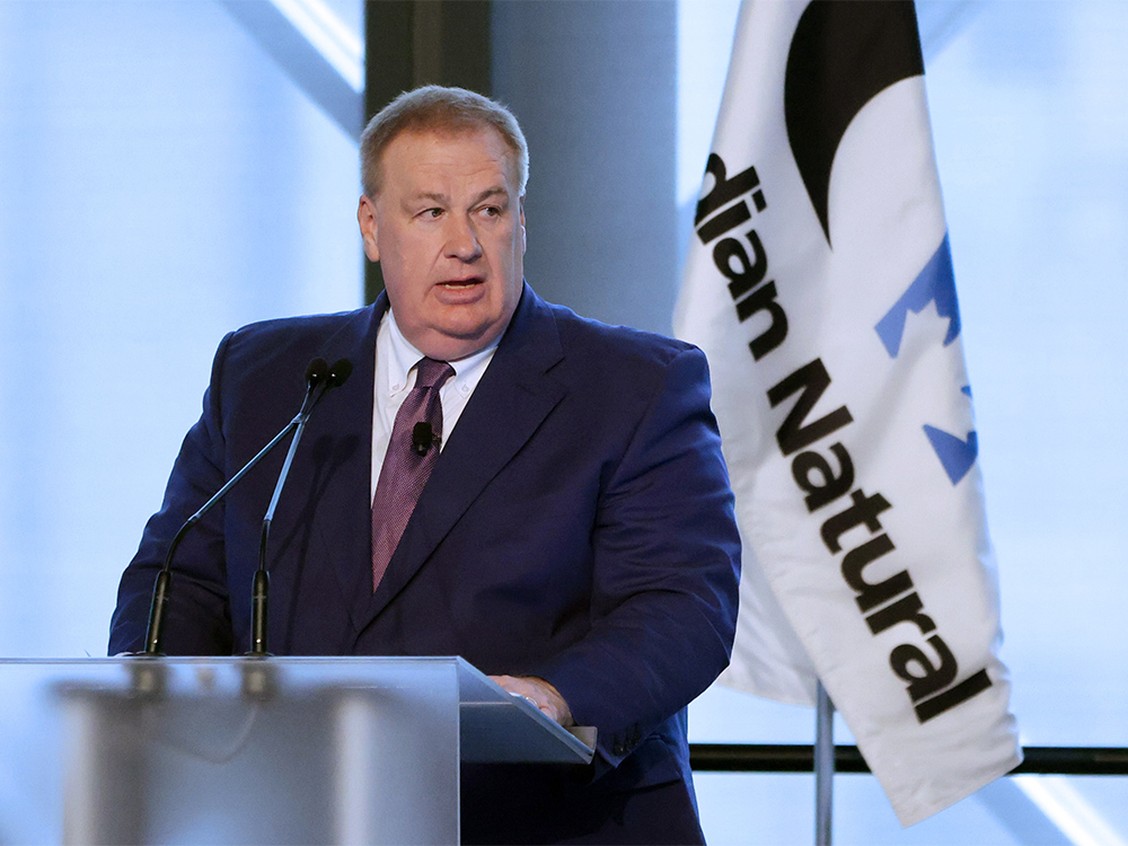
“I have been surprised how long it has taken to get a consensus among all the participants, and I was more optimistic probably two years ago than I am today,” said Murray Edwards, executive chair of Canadian Natural Resources, during a recent shareholder meeting.
Still, optimism remains high. The proposed carbon pipeline isn’t just a climate solution—it’s a long-term economic strategy that protects jobs, promotes energy security, and repositions Canada as a global leader in low-carbon oil.
Government support is evolving
The Canadian government has already pledged tax credits covering up to 50% of capital costs for CCS projects. It has also introduced carbon contracts for difference through the Canada Growth Fund, aiming to de-risk investments by stabilizing future carbon prices.
Meanwhile, Alberta’s provincial government has rolled out a 12% grant program, though it has clarified that additional subsidies will not be provided. While industry leaders hope for more clarity on cost-sharing, they continue to work closely with regulators to move the project forward.
Negotiations slowed in recent months due to the federal election but are expected to accelerate now that a new government is in place.
>> In Other News: Experts Convert Sea Water Into Energy ― the Result is a ‘New Color of Hydrogen’
Building on strong foundations
The project isn’t just theoretical. Engineering, environmental assessments, and regulatory planning are already underway. Companies are engaging Indigenous groups and local communities along the proposed pipeline route, emphasizing transparency and long-term collaboration.
Pathways Alliance CEO Kendall Dilling recently confirmed that work continues in full swing: “We’ve also engaged with Indigenous and local communities along the pipeline route,” he shared in a public statement.
This kind of dialogue is key to earning public trust—and ensuring the infrastructure is built responsibly and equitably.
What industry leaders are saying
Federal leaders have recognized the importance of CCS in securing Canada's energy future. During the most recent election, Prime Minister Mark Carney voiced his support for the project, stating:
“One of the big projects we need to move forward with is carbon capture and storage—the Pathways Project—so that we have oil and gas that is competitive, not just today, 10 years from now and 20 years from now.”
With global demand for fossil fuels projected to decline, CCS offers a strategic way to maintain economic relevance while meeting climate commitments. It's not just a transition—it’s a transformation.
A call for national alignment
Despite growing momentum, Canada’s carbon capture movement still faces political and regulatory hurdles. Industry executives are calling for a streamlined approval process and national alignment on carbon pricing.
In a recent letter to the Prime Minister, 38 Canadian oil executives urged the federal government to remove the emissions cap and allow provinces to set more flexible carbon regulations. They also proposed new timelines for project permitting—within six months of application—to prevent unnecessary delays.
“We need those two levels of government to come together and create a path forward for us where those projects can get done and the industry can remain competitive,” emphasized Jon McKenzie, CEO of Cenovus Energy.
Eyes on the future
Globally, carbon capture is gaining recognition as a vital part of the net-zero toolkit. According to the International Energy Agency, more than 7.6 billion tonnes of CO₂ will need to be captured annually by 2050 to meet global targets. Canada’s Pathways project could become a flagship model—not just for Alberta, but for countries looking to implement scalable, cost-effective CCS infrastructure.
What sets Pathways apart is its scale, collaboration, and focus on long-term economic viability. It’s not just about compliance—it’s about creating a new standard for responsible energy production.
As Canada navigates the energy transition, the companies behind the Pathways Alliance are sending a clear message: climate action and industry growth can go hand in hand. And in a world increasingly defined by environmental urgency, that message couldn’t be more timely.
Subscribe to the newsletter
Daily decarbonization data and news delivered to your inbox
Follow the money flow of climate, technology, and energy investments to uncover new opportunities and jobs.
Latest issues
-
Oil Sands Alliance Faces $43.7 Billion Price Tag
Inside This Issue 🍁 Alberta Cuts Carbon Costs to Fast-Track Pathways CCS 🏛️ EU Unveils Sweeping ETS Overhaul With €100 Billion Industrial Decarbonisation Bank 🌱 Consultation: Major Revision to Bio...
-
Wall Street Pours $1.7B Into Fuel Cells for AI
Inside This Issue 🔋 IDF, Oaktree to Invest $1.7 Billion in Bloom Energy Fuel Cells for AI Infrastructure 🌬️ Airhive Acquires Carbyon, Creating a European Leader in Low-Cost Direct Air Capture Tech...
-
AI Data Centers Just Went Hydrogen, Bosch Is In
Inside This Issue ⚡ ECL and PowerCell Announce 300 MW+ Hydrogen Power Strategic Partnership for AI Data Centers, Supported by Bosch 🍁 Canada, Alberta Ease TIER Carbon Rules to Fast-Track Pathways ...
Company Announcements
-
JERA Co., Inc. (JERA), a global energy leader and Japan's largest power generation company, today announced that it has signed a Memorandum of Understanding (MoU) with Samsung C&T Corporation (...
-
ZeroAvia and Safran Forge Partnership on Hydrogen-Electric Technologies
ZeroAvia and Safran have announced the launch of a collaboration dedicated to hydrogen-electric propulsion technologies for aviation. This partnership combines ZeroAvia’s cutting-edge expertise in ...
-
Clean Fuels Welcomes Hawaii Clean Fuel Standard for Alternative Fuels
JEFFERSON CITY, MO, Clean Fuels Alliance America applauds Hawaii Governor Josh Green, M.D., for signing legislation to create a clean fuel standard for the State of Hawaii. This new law will help d...
-
Air Liquide Invests Over 160M USD in the U.S. to Supply Advanced Chips Manufacturing in Arizona
Air Liquide announces a new investment of over 160 million US dollars to build, own and operate a new large-scale production facility in Arizona to supply essential ultra-high purity gases to the l...