
The technology industry is at a crossroads, faced with a growing responsibility to reduce carbon dioxide (CO2) emissions.
While cutting emissions is a critical step, the next frontier is partnering with companies actively removing carbon from the atmosphere. These partnerships offer a way to address climate change at scale and align with sustainability goals.
This article explores key technological methods for carbon removal and highlights companies leading the charge in this field.
>> RELATED: Carbon Removal Tech Startups Leading the Way in Sustainability
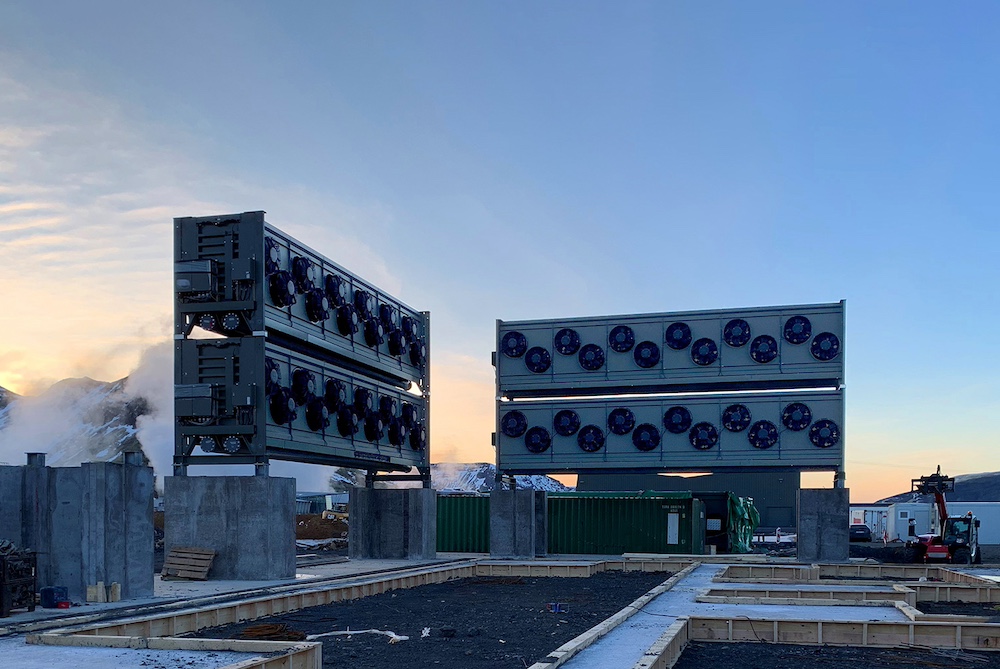
Why Carbon Removal Matters
Reducing emissions isn’t enough to reverse climate change. Scientists estimate that we need to remove 7–9 billion tons of CO2 annually by 2050 to keep global warming in check. While natural methods like reforestation play a role, technology must lead the way to achieve these massive targets.
According to Swish Goswami, "Tech companies creating their sustainability plans should have a strong understanding of these technologies and how companies working in this space can help mitigate their environmental impact."
Promising Carbon Removal Technologies
Direct Air Capture (DAC)
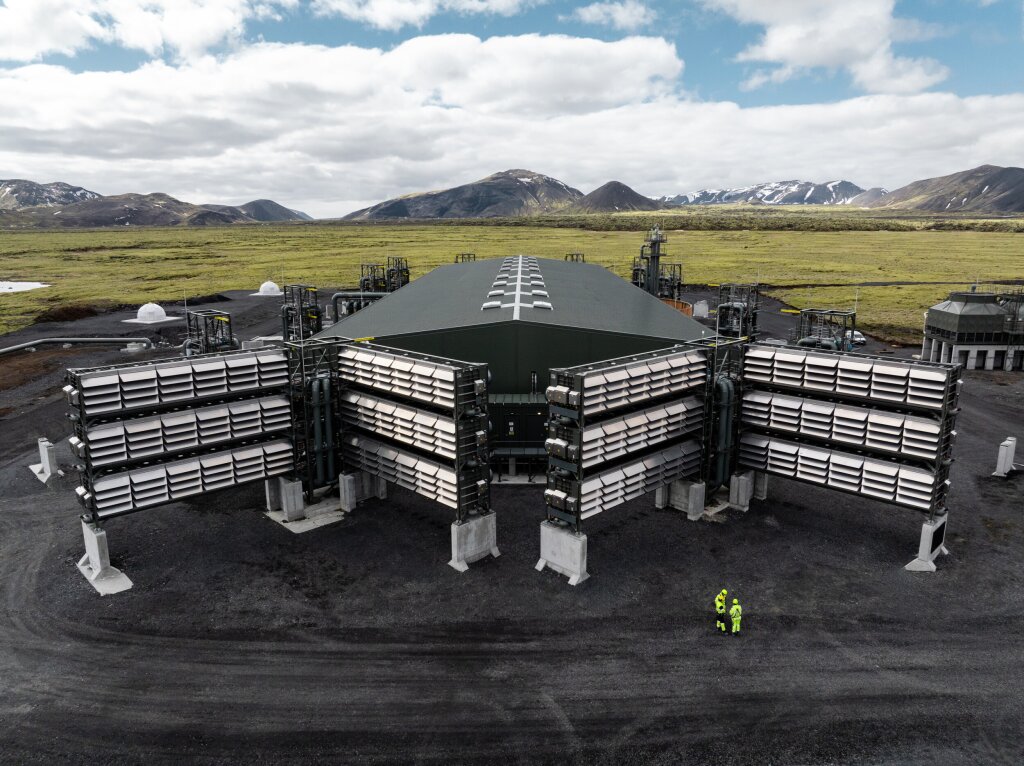
DAC uses machines to extract CO2 directly from the atmosphere. It’s an innovative but energy-intensive method, and scaling it for global impact requires significant cost reduction.
Companies like Climeworks are already making strides in this area, developing scalable solutions to capture and store atmospheric carbon.
Biomass Solutions
Biomass involves converting organic material into bio-oil, which is then injected underground for long-term storage.
Charm Industrial is a leader in this field, turning agricultural waste into a tool for carbon sequestration. While promising, the process must be optimized to reduce land, water, and energy use.
Enhanced Weathering
Enhanced weathering speeds up the natural reaction between CO2 and minerals to form stable carbonates. Ground minerals, such as olivine, are spread across land to capture CO2 more efficiently.
Although still experimental, this method offers potential if its energy consumption and environmental impacts are carefully managed.
Carbon Mineralization
Carbon mineralization locks CO2 into rock formations, with basalt being particularly effective. Researchers are working to scale this method while minimizing environmental and social impacts.
Despite challenges, companies like 1PointFive are exploring how to use this technology effectively for large-scale carbon removal.
Ocean-Based Methods
With oceans covering 71% of the Earth’s surface, they offer unique opportunities for CO2 removal:
Direct Ocean Capture (DOC): This approach extracts dissolved CO2 from seawater, allowing the ocean to absorb more carbon. DOC must be carefully implemented to avoid disrupting marine ecosystems.
Ocean Fertilization: By adding nutrients like iron to specific areas, phytoplankton growth increases, absorbing CO2 during photosynthesis. However, it’s critical to manage nutrient distribution to prevent negative impacts on fisheries and other ecosystems.
>> In Other News: CarbiCrete's Decarbonized Concrete Now Available in the U.S.
Companies Leading the Charge
Several organizations are advancing carbon removal technologies and providing opportunities for collaboration:
- Climeworks specializes in DAC systems, removing CO2 directly from the air and storing it underground.
- Charm Industrial focuses on biomass solutions, converting plant waste into bio-oil for secure carbon storage.
- 1PointFive is innovating in enhanced weathering and mineralization, developing scalable solutions for carbon capture and storage.
- Deep Sky and Frontier Carbon Solutions are advancing methods to make carbon removal more accessible and cost-effective.
These companies offer tech firms a way to offset emissions while contributing to global climate goals.
Considerations for Partnerships
When engaging with carbon removal companies, it’s essential to ask questions that align their solutions with your sustainability objectives.
For example, inquire about the energy sources powering their processes or how they’re addressing scalability and cost challenges.
As Swish Goswami points out, "When working with carbon removal companies, it's important to ask the right questions to determine how the carbon removal of these companies aligns with their and your sustainability goals."
The Road Ahead
Carbon removal technology represents an important opportunity for the tech industry to lead on climate action. While each method faces challenges, advancements in these technologies could dramatically alter the course of climate change.
Right now, the focus must be on scaling the most promising solutions while addressing environmental and economic hurdles. By collaborating with innovators in this space, companies can play a pivotal role in creating a sustainable future.
If the technology industry embraces this challenge, carbon removal could shift from a future aspiration to a present-day reality. The time to act is now.
Subscribe to the newsletter
Daily decarbonization data and news delivered to your inbox
Follow the money flow of climate, technology, and energy investments to uncover new opportunities and jobs.
Latest issues
-
The US Hasn't Made Heavy Water Since 1982
Inside This Issue ⚛️ Aternium Completes FEED Studies for US Hydrogen, Heavy Water Project 🐄 Google, McKinsey Strike Brazil Carbon Removal Deal With Silvopasture Project 🔧 Cummins Selects Stargate ...
-
Why Colorado’s Koloma Has Japan’s Largest Utility Hooked
Inside This Issue ⚡ JERA Invests in Koloma to Explore Natural Hydrogen as a Future Low-Carbon Energy 🔬 New CATF Tool Provides Framework for Self-Assessment and Strengthening of Biomass Carbon Remo...
-
LNK Energies Targets $6.50 Hydrogen With No Federal Subsidies
Inside This Issue 🚛 MIT Startup Says It Can Turn Diesel Trucks Into Cheaper Hydrogen Haulers, See It at Disrupt 🏭 Baytown City Council Briefs: ExxonMobil Blue Hydrogen Agreement Approved 🌎 Colorad...
Company Announcements
-
Toyota Achieves Heavy-Duty Hydrogen Truck Milestones
GARDENA, Calif. and PLANO, Texas , Oct. 20, 2026 /PRNewswire/ -- Toyota Motor North America's Hydrogen Headquarters (H2HQ) division is making steady progress in fueling improvements for heavy-duty ...
-
The parties intend to design hydrogen power into the Hendry County development's master plan before horizontal construction begins and to scale it with each phase of the build-out DELRAY BEACH, Fl...
-
OSLO, Norway, Oct. 20, 2026 /PRNewswire/ -- Aker BP and Höegh Evi have been awarded EUR 223 million from the European Union Innovation Fund for the Atlas Project, a large-scale CCS network connecti...
-
XCF Global Announces Agreement to Acquire Paramount, California Renewable Fuel Production Facility
Mergers and Acquisitions Acquisition further expands XCF's alternative energy platform with the proposed addition of ~50 million annual gallons of sustainable aviation fuel, renewable diesel and r...