
A Bold Bid for the Hydrogen Economy
Chevron is pushing hard into America's hydrogen frontier, unveiling two high-impact projects designed to strengthen its foothold in the clean energy transition. In Southeast Texas and California's Central Valley, the energy giant is developing complementary hydrogen production facilities that represent a strategic blend of scalability, innovation, and regional impact.
With these projects, Chevron is making its most decisive moves yet toward building a robust domestic hydrogen economy - one that supports decarbonization goals, job creation, and infrastructure modernization across key U.S. energy hubs.
>> RELATED: Chevron Announces Its First Solar-to-hydrogen Production Project in California’s Central Valley
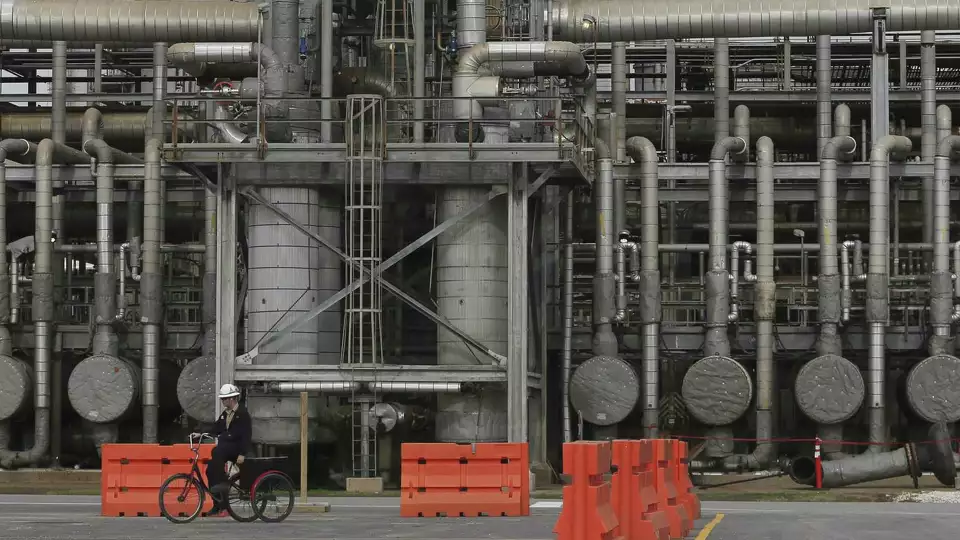
Project Labrador: Natural Gas to Hydrogen in Texas
In Jefferson County, Texas, Chevron’s Project Labrador is taking shape as part of its broader Crescent Bayou development. Through a newly approved tax agreement with local authorities, the company will construct a natural gas-fueled hydrogen production facility near Port Arthur. The plant is expected to generate 100 full-time jobs and serve as the cornerstone of a proposed Gulf Coast Hydrogen Hub.
According to the official tax agreement, the site will benefit from a full 10-year tax abatement, offering Chevron the flexibility to scale operations through two potential expansion phases.
“We’re excited, this is a big step,” said Cynthia Conner, Director of Carbon Offsets Policy for Chevron New Energies. “All the work is in the future, but these kinds of things enable us to start looking and hopefully bring some real economic development to the community.”
The hydrogen produced here will support a range of downstream uses, from fuel cell transportation to ammonia production. It will also link with the Bayou Bend carbon capture and storage project, announced in 2023, providing a built-in mechanism to capture and sequester CO₂ emissions from the hydrogen production process.
California Dreaming: Solar-Powered Hydrogen from Electrolysis
Meanwhile, on the West Coast, Chevron is pursuing a different, but equally promising, path. In Kern County’s Lost Hills Oil Field, the company has announced a 5-megawatt solar-powered hydrogen production project. This facility will use electrolysis - a process that splits water into hydrogen and oxygen using electricity - to create low carbon intensity (LCI) hydrogen.
What makes this project notable is its use of non-potable water and existing Chevron-owned land, demonstrating an efficient use of resources with minimal environmental disruption.
Austin Knight, Vice President for Hydrogen at Chevron New Energies, emphasized the significance: “Hydrogen can play a vital role in our journey toward a lower carbon future. Chevron already offers lower carbon fuels like sustainable aviation fuel, renewable diesel and others, and this project is expected to expand the portfolio.”
Slated to produce two tons of LCI hydrogen per day, the project is expected to support California’s growing network of hydrogen refueling stations, especially along key freight and passenger corridors.
Why These Projects Matter
Hydrogen has gained traction as one of the most versatile energy carriers in the clean energy toolkit. From heavy-duty transport to industrial heat, its applications are broad - and Chevron is positioning itself to meet that demand with regionalized solutions that can scale.
Both Texas and California have received significant support from the U.S. Department of Energy’s Regional Clean Hydrogen Hubs program Chevron’s investments are aligned with these state-level and federal initiatives to boost domestic hydrogen production while cutting greenhouse gas emissions.
Richard Chapman, President and CEO of Kern Economic Development Corporation, noted, “By locating expected production in the Central Valley, we believe the project will be well positioned to meet the demand of customers along an important transportation corridor.”

>> In Other News: Aggreko’s North American Headquarters Replaces Diesel with Biofuel, Reducing CO2 by up to 60%
Building the Future One Hub at a Time
With natural gas-to-hydrogen in the Gulf and solar-electrolysis in California, Chevron is experimenting with different technology stacks to address region-specific needs. These dual strategies help reduce technology risk and make Chevron more agile in responding to infrastructure, policy, and market fluctuations.
The hydrogen produced in Texas will likely feed industrial hubs and heavy trucking routes across the South and Midwest, while California’s LCI hydrogen supports clean mobility and urban climate goals.
Strategic Partnerships and Policy Signals
What unites both projects is Chevron’s call for stronger state and federal policy support. As Knight put it, “Our ability to meet growing hydrogen demand and help build hydrogen fueling infrastructure... will be strongly led by energy policies that promote new lower carbon energy solutions.”
That includes not just tax incentives but also faster permitting, robust infrastructure funding, and clear regulatory pathways for carbon capture and hydrogen transport.
Chevron is also working with local and regional stakeholders like Jefferson County and Kern Economic Development Corporation to build community engagement and long-term economic ties.
A New Era for Chevron and U.S. Hydrogen
As public pressure mounts to transition away from fossil fuels, Chevron is responding with multi-billion-dollar bets on the hydrogen economy. And rather than chasing a one-size-fits-all strategy, the company is embracing diverse production methods, supply chains, and local partnerships.
In a time when the energy industry is often under scrutiny, Chevron’s actions offer a different narrative: that oil and gas companies can be pivotal players in shaping a cleaner, more sustainable future.
With Project Labrador and the Lost Hills initiative, Chevron isn’t just chasing emissions reductions - it’s laying the groundwork for a hydrogen ecosystem that could power America’s next industrial transformation.
The hydrogen economy is no longer a distant vision. It’s being built now - in Texas, in California, and through bold moves by companies ready to lead.
Subscribe to the newsletter
Daily decarbonization data and news delivered to your inbox
Follow the money flow of climate, technology, and energy investments to uncover new opportunities and jobs.
Companies
Latest issues
-
The US Hasn't Made Heavy Water Since 1982
Inside This Issue ⚛️ Aternium Completes FEED Studies for US Hydrogen, Heavy Water Project 🐄 Google, McKinsey Strike Brazil Carbon Removal Deal With Silvopasture Project 🔧 Cummins Selects Stargate ...
-
Why Colorado’s Koloma Has Japan’s Largest Utility Hooked
Inside This Issue ⚡ JERA Invests in Koloma to Explore Natural Hydrogen as a Future Low-Carbon Energy 🔬 New CATF Tool Provides Framework for Self-Assessment and Strengthening of Biomass Carbon Remo...
-
LNK Energies Targets $6.50 Hydrogen With No Federal Subsidies
Inside This Issue 🚛 MIT Startup Says It Can Turn Diesel Trucks Into Cheaper Hydrogen Haulers, See It at Disrupt 🏭 Baytown City Council Briefs: ExxonMobil Blue Hydrogen Agreement Approved 🌎 Colorad...
Company Announcements
-
A new interactive tool from Clean Air Task Force (CATF) provides a practical framework for the self-assessment and strengthening of biomass carbon removal (BiCRS) protocols to help ensure that carb...
-
LanzaJet Secures Financing to Scale SAF Production and Supply Global Customers
CHICAGO, Oct. 15, 2026 (GLOBE NEWSWIRE) -- LanzaJet, Inc., a leading next-gen fuels technology company and fuels producer, today announced fully committed new financing of at least $20 million to s...
-
44.01 and Frontier Advance Permanent CO₂ Storage Through In-Situ Mineralization
44.01's in-situ mineralization (ISM) process turns CO₂ into solid rock underground in a few years, after which the risk of reversal is functionally zero. >> In Other News: JERA Invests in ...
-
JERA Invests in Koloma to Explore Natural Hydrogen as a Future Low-Carbon Energy
JERA Co., Inc. (JERA), through its corporate venture capital arm JERA Ventures, has invested in Koloma, Inc. (Koloma), a U.S.-based natural hydrogen exploration and development company. The invest...