
Flare Gas Reduction: Graforce a Winner at Petronas Race2Decarbonise for Groundbreaking Solution
Published by Todd Bush on March 29, 2023
BERLIN--(BUSINESS WIRE)--Out of more than 500 global solutions, Graforce was recognized at the Petronas Race2Decarbonise with its methane electrolysis technology (plasmalysis) in the category “Gas Flaring Reduction or Elimination.” The competition is aimed at accelerating the development of low-carbon solutions and reducing greenhouse gas emissions.
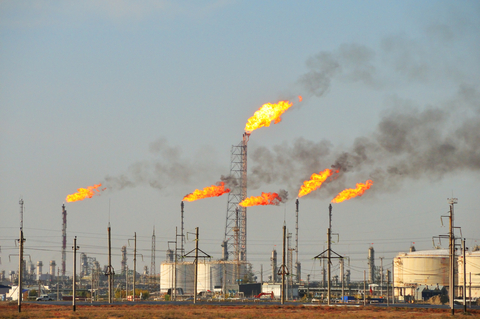
flare gas
>> In Other News: Gutter Capital Raises $25M to Build Companies of Consequence
Gas flaring results in more than 400 million tons of CO2 emissions every year. Thousands of gas flares at production sites around the globe burn approximately 150 billion cubic meters of natural gas each year, thus wasting a valuable resource. Plasmalysis, on the other hand, converts methane and other hydrocarbons previously vented or flared into clean hydrogen and solid carbon, thus generating climate-neutral energy.
Using hydrogen, a clean, sustainable energy source, can reduce greenhouse gas emissions and thereby mitigate climate change. Graforce is the world’s first company to offer a market-ready technology to decarbonize flare gas production and dramatically reduce emissions. Since the proprietary process doesn’t produce any CO2, this technology is also the first alternative to carbon capture and storage.
“Europe accounts for only 2 percent of global routine gas flaring, but the European Union is considering regulation to end routine flaring and venting,” said Dr. Jens Hanke, CTO of Graforce. “Being recognized in this prestigious competition is proof that flare gas plasmalysis is an excellent solution in line with methane emission regulation. Moreover, the EU can achieve its decarbonization targets if flare/landfill gas, LNG, LPG or natural gas are no longer burned, but converted into hydrogen and solid carbon powered with green electricity in our hydrogen plants.”
In the modular plasmalysis plants, a high-frequency plasma field generated by renewable electricity splits hydrocarbons, such as methane, into their molecular components: hydrogen and solid carbon. Compared to water electrolysis, plasmalysis requires only one-fifth the electrical energy to produce the same amount of hydrogen.
About Graforce
Graforce is a German hydrogen technology company. Their power-to-X plants produce carbon dioxide free or carbon dioxide negative hydrogen and synthetic feedstocks – with highest efficiency and lower infrastructure costs in the multi-megawatt range. Thus, Graforce decarbonizes fossil energies, industries and the heat, transport and building sectors. Graforce is currently in the process of expanding its financial and strategic partnerships to quickly scale its hydrogen technology worldwide.
Subscribe to the newsletter
Daily decarbonization data and news delivered to your inbox
Follow the money flow of climate, technology, and energy investments to uncover new opportunities and jobs.
Latest issues
-
Can AirCapture’s Microwaves Cut DAC’s Energy Cost?
Inside This Issue 🌬️ Aircapture's Patented Microwave Direct Air Capture Technology Wins Tencent CarbonX 2.0 Award 🗾 Fujifilm, Tokyo Gas and TGES Agree to Supply City Gas Linked to Biomethane Produ...
-
380 MW of AI Power, Powered by Fuel Cells
Inside This Issue ⚡ FuelCell Energy and Fit Energy Announce Strategic Agreement for Up to 380 MW of Clean Power for Data Centers 🧭 China's Renewable Energy Mandates Set the Stage for Expanded Hydr...
-
250,000 Tonnes of CO2: One Shipping Deal
Inside This Issue 🚢 Fortescue and CMB.TECH Sign Milestone Agreement for 12 Ammonia Bulkers to Accelerate Zero-Emissions Shipping 🌱 Mati Carbon Hits New Bar for Carbon Removal Certification With Is...
Company Announcements
-
Canadian farmers and ethanol producers call on the Government to deliver on its Clean Fuel commitment and restore a level playing field for Canadian ethanol. OTTAWA, Ontario — Canada's Farms and F...
-
Coastal and Estuarine Carbon Removal Technique May Backfire When Pushed Too Far
Scientists investigating a proposed way to remove carbon dioxide from the atmosphere using seawater have found that adding too much alkalinity to neutralize acids can trigger chemical reactions tha...
-
Next Hydrogen Solutions Inc. (“Next Hydrogen” or the “Company”) (TSXV:NXH) is pleased to announce a collaboration agreement with Fusion Fuel Cycles Inc. (“FFC”) to demonstrate purpose-built electro...
-
Saskatchewan Conducts First Ever Crown Public Offering for Helium and Associated Gases
The Government of Saskatchewan is pleased to announce it launched and completed its first-ever helium and associated gases Crown public offering, held on June 22, 2026. This new process will streng...