
STRATOS Nears Completion as Direct Air Capture Moves Forward
STRATOS, the highly anticipated Direct Air Capture (DAC) facility, is on track to launch in 2025. The project, spearheaded by Occidental Petroleum and its subsidiary Carbon Engineering, is expected to set new industry benchmarks in carbon capture and sequestration. With construction 94% complete and commissioning efforts underway, STRATOS is moving closer to becoming a reality.
As the world’s largest DAC facility, STRATOS is designed to remove CO₂ directly from the atmosphere. The captured carbon can either be used in Enhanced Oil Recovery (EOR) or permanently stored underground. This marks a significant step in the global push toward net-zero emissions and a cleaner energy future.
>> RELATED: Occidental and BlackRock Form Joint Venture to Develop STRATOS, the World's Largest Direct Air Capture Plant
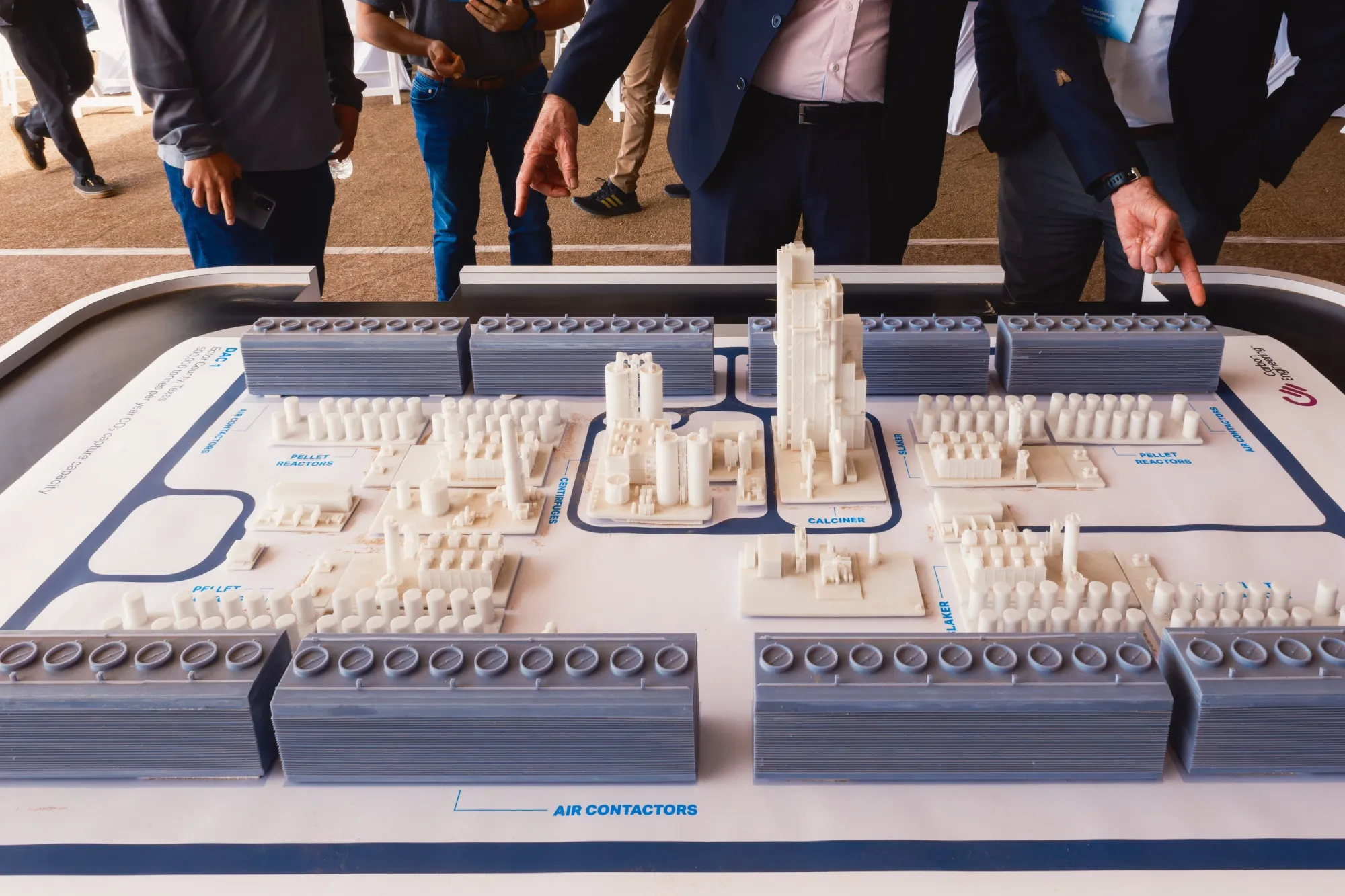
Construction and Commissioning Progress
STRATOS remains on schedule, with major infrastructure components completed. Trains 1 and 2 were finalized in December 2024, and the remaining central processing facilities are set for completion by Q2 2025. The facility is 94% complete overall, with construction at 98% completion. The commissioning process is already underway, with start-up operations expected in Q3 2025 and full ramp-up by year-end.
The commissioning process includes several key phases:
1. Initial System Testing
- Water circulation begins through the system.
- Fans are activated, ensuring proper air intake for CO₂ capture.
2. Chemical Processing
- Water is mixed with potassium hydroxide and lime to facilitate carbon separation.
- Pellets are formed, filtered, and dried before entering the calciner for final processing.
3. CO₂ Capture and Storage
- Initial CO₂ capture starts in limited volumes.
- Additional bays come online in sequence, ramping up capture capacity.
- Compressed CO₂ is injected underground for storage or utilized in low-carbon fuel production.
With each phase, Occidental and Carbon Engineering are focusing on reducing operating costs and optimizing capacity over time, ensuring STRATOS reaches its full potential as a scalable DAC facility.
>> In Other News: Senators Seek Answers on EPA Effort to Claw Back $20 Billion in Climate Funds
A Long-Term Investment in Carbon Removal
For Occidental, STRATOS represents more than just an environmental milestone. The facility is positioned as a key asset in the company's low-carbon business strategy. Lessons learned at STRATOS will directly influence the South Texas DAC hub, another large-scale project funded by the U.S. Department of Energy.
Occidental’s investment in DAC is also a move to strengthen its position in carbon-neutral fuel production. The company has signed multiple Carbon Dioxide Removal (CDR) agreements, helping develop the technology to make DAC more scalable and commercially viable.
Vicki Hollub, CEO of Occidental, stated: “CO₂ is going to be much needed for the U.S. for our extended energy independence. Taking CO₂ out of the atmosphere is a technology that needs to work for the United States.”
Innovations Driving STRATOS
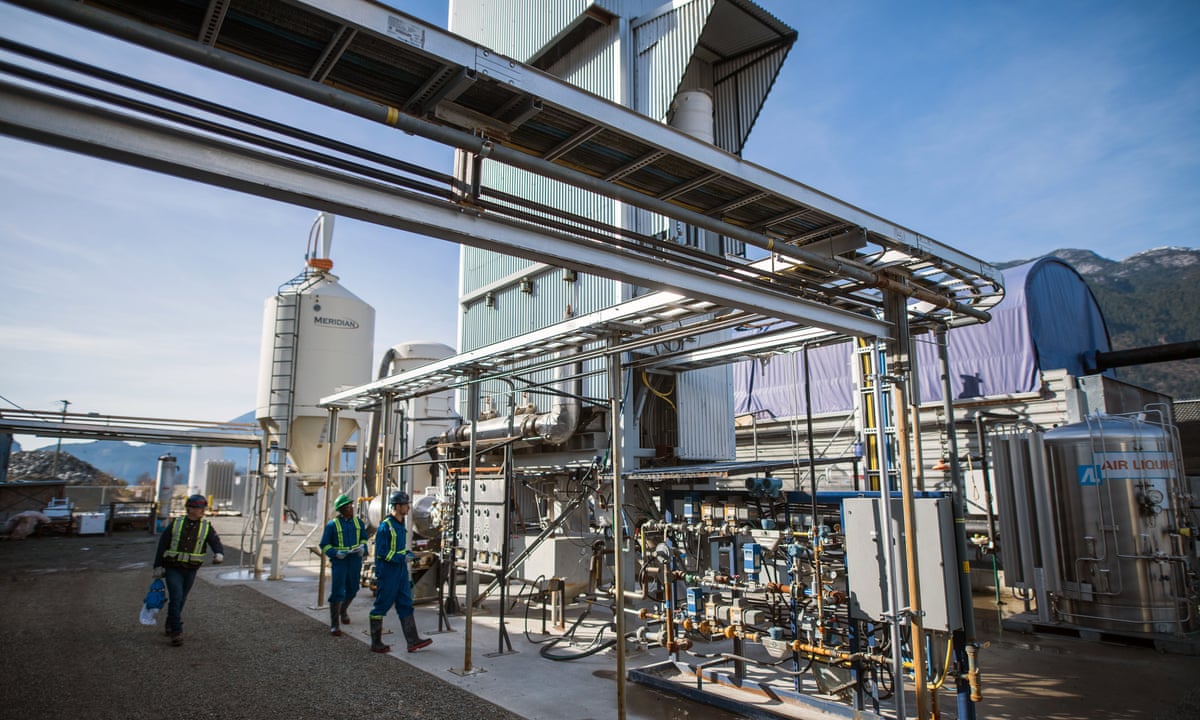
One of the key factors driving STRATOS forward is the integration of technological advancements from Carbon Engineering’s research facility in Squamish, British Columbia. These innovations are helping to improve CO₂ capture efficiency while reducing energy consumption, making DAC more scalable and cost-effective.
The enhanced chemical process at STRATOS improves CO₂ capture efficiency while reducing energy consumption. This helps lower overall operating expenses and increases the feasibility of future DAC expansions.
Kenneth Dillon, President of International Oil and Gas Operations at Occidental, provided insight into the commissioning process: “Once we start making the pellets, we filter those pellets, we dry them, and then we start moving them through the mechanical handling system to the calciner, start up the calciner, and then start capturing CO₂, which is a really big day at site. It will be very small volumes, but it’s a really big day.”
The Road to Full-Scale Operations
STRATOS is expected to reach full-scale operations by late 2025, with additional refinements happening over the next several years. The goal is to maximize cost reductions, scalability, and effectiveness, making DAC a viable solution for large-scale carbon removal.
The commissioning process will continue in phases, with Occidental and Carbon Engineering closely monitoring system performance and carbon capture efficiency. By leveraging data from STRATOS, the company aims to further optimize its DAC technology, paving the way for more widespread adoption across industries.
A Step Toward Net-Zero Goals
As global industries push for sustainable energy solutions, STRATOS marks a turning point in direct air capture commercialization. With its launch approaching, Occidental and Carbon Engineering are setting a new standard for carbon removal technologies.
By focusing on scalability and cost-efficiency, STRATOS could play a pivotal role in global climate strategies. As more companies and governments commit to net-zero targets, facilities like STRATOS will be essential in bridging the gap between emissions reduction and large-scale carbon removal.
With STRATOS nearing completion, the world is one step closer to harnessing DAC as a practical climate solution—a move that could redefine how we tackle carbon emissions for decades to come.
Subscribe to the newsletter
Daily decarbonization data and news delivered to your inbox
Follow the money flow of climate, technology, and energy investments to uncover new opportunities and jobs.
Companies
Latest issues
-
The US Hasn't Made Heavy Water Since 1982
Inside This Issue ⚛️ Aternium Completes FEED Studies for US Hydrogen, Heavy Water Project 🐄 Google, McKinsey Strike Brazil Carbon Removal Deal With Silvopasture Project 🔧 Cummins Selects Stargate ...
-
Why Colorado’s Koloma Has Japan’s Largest Utility Hooked
Inside This Issue ⚡ JERA Invests in Koloma to Explore Natural Hydrogen as a Future Low-Carbon Energy 🔬 New CATF Tool Provides Framework for Self-Assessment and Strengthening of Biomass Carbon Remo...
-
LNK Energies Targets $6.50 Hydrogen With No Federal Subsidies
Inside This Issue 🚛 MIT Startup Says It Can Turn Diesel Trucks Into Cheaper Hydrogen Haulers, See It at Disrupt 🏭 Baytown City Council Briefs: ExxonMobil Blue Hydrogen Agreement Approved 🌎 Colorad...
Company Announcements
-
A new interactive tool from Clean Air Task Force (CATF) provides a practical framework for the self-assessment and strengthening of biomass carbon removal (BiCRS) protocols to help ensure that carb...
-
LanzaJet Secures Financing to Scale SAF Production and Supply Global Customers
CHICAGO, Oct. 15, 2026 (GLOBE NEWSWIRE) -- LanzaJet, Inc., a leading next-gen fuels technology company and fuels producer, today announced fully committed new financing of at least $20 million to s...
-
44.01 and Frontier Advance Permanent CO₂ Storage Through In-Situ Mineralization
44.01's in-situ mineralization (ISM) process turns CO₂ into solid rock underground in a few years, after which the risk of reversal is functionally zero. >> In Other News: JERA Invests in ...
-
JERA Invests in Koloma to Explore Natural Hydrogen as a Future Low-Carbon Energy
JERA Co., Inc. (JERA), through its corporate venture capital arm JERA Ventures, has invested in Koloma, Inc. (Koloma), a U.S.-based natural hydrogen exploration and development company. The invest...