
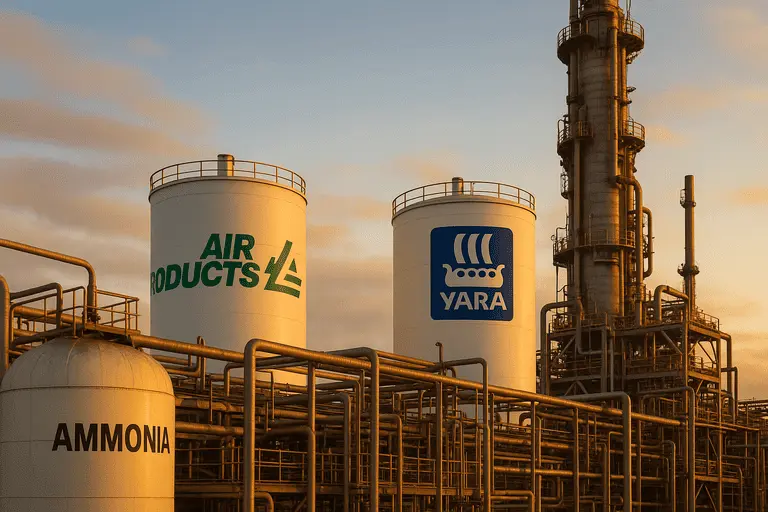
The clean ammonia market just got a major shake-up. Air Products and Yara International announced they're in advanced negotiations for a 25-year partnership that would transform Louisiana's Gulf Coast into a global hub for low-carbon ammonia exports. The deal positions the Louisiana Clean Energy Complex as one of the largest blue hydrogen projects ever attempted in North America.
Under the proposed agreement, Yara would purchase roughly 80% of the facility's blue hydrogen output while also acquiring the ammonia production, storage, and shipping assets. That's a commitment worth approximately $2 billion to $2.25 billion, representing about 25% of the project's total estimated cost. The remaining 20% of hydrogen production would feed into Air Products' existing 700-mile Gulf Coast pipeline network.
What Makes This Partnership Work
This isn't your typical offtake agreement. Yara isn't just buying ammonia, they're taking ownership of the downstream production assets once the plant hits agreed performance levels. Air Products retains control of the hydrogen and industrial gas operations, creating a clean split between the companies' core competencies.
"We are pleased to be working with Yara, the world's leading fertilizer company, as we advance the global low-emission ammonia market and maximize value from our projects in Louisiana and Saudi Arabia."
Eduardo Menezes, Chief Executive Officer, Air Products
The partnership brings together two industry leaders with complementary strengths. Air Products operates as the world's largest hydrogen supplier with deep expertise in industrial gases. Yara commands an unmatched global ammonia distribution network, moving over 4 million metric tonnes annually through 12 ammonia vessels and 18 import terminals worldwide.
This deal structure mirrors a growing trend in the clean energy sector. As recent analysis suggests, separating asset ownership from operational agreements could become the blueprint for financing future mega-projects.
>> In Other News: CES 2026 - Doosan Presents Comprehensive Energy Solutions for the AI Era
Project Specifications at a Glance

The breakdown for the Louisiana Clean Energy Complex. It outlines the billions being invested and the massive carbon capture targets set for 2030.
The facility in Darrow, Louisiana represents Air Products' largest investment in the United States. The complex will produce enough hydrogen to power approximately 3 million cars daily, according to project documentation. Carbon dioxide captured during production will be permanently stored more than one mile underground in geological formations beneath Lake Maurepas.
The Financial Picture

Here’s a look at where captured carbon actually goes. It’s not just about pumping it underground; it’s about targeting specific formations like saline aquifers or basalt to lock it away permanently. You can see how those caprock layers seal everything in so it stays put.
Federal tax incentives play a significant role in making this project viable. The 45Q tax credit provides $85 per metric tonne for CO₂ permanently stored in geological formations. With the facility targeting 5 million tonnes of annual capture, that translates to potential credits exceeding $425 million annually.
| Component | Details |
|---|---|
| Yara's Equity Stake | Approximately 25% of total project cost ($2B-$2.25B) |
| Hydrogen Offtake Agreement | 25-year term, 80% of production to Yara |
| 45Q Tax Credit Potential | $425M+ annually at $85/tonne |
| Remaining Hydrogen | 20% feeds Air Products' 700-mile Gulf Coast pipeline |
The deal structure addresses a key challenge facing mega-projects like this: capital allocation and risk distribution. By having Yara take ownership of the ammonia side while Air Products focuses on hydrogen production, both companies stay in their lanes while sharing the financial burden.
>> RELATED: Louisiana's $3.5B Carbon Capture Surge Sets National Decarbonization Blueprint
"Air Products' two advanced projects are a strong strategic fit with Yara's flexible nitrogen system, enabling energy diversification and profitable decarbonization while aligning with our disciplined capital allocation policy. The Louisiana project builds on a proven, capital-efficient model; producing ammonia from externally sourced hydrogen and delivering strong returns."
Svein Tore Holsether, Chief Executive Officer, Yara International
A Broader Clean Ammonia Strategy
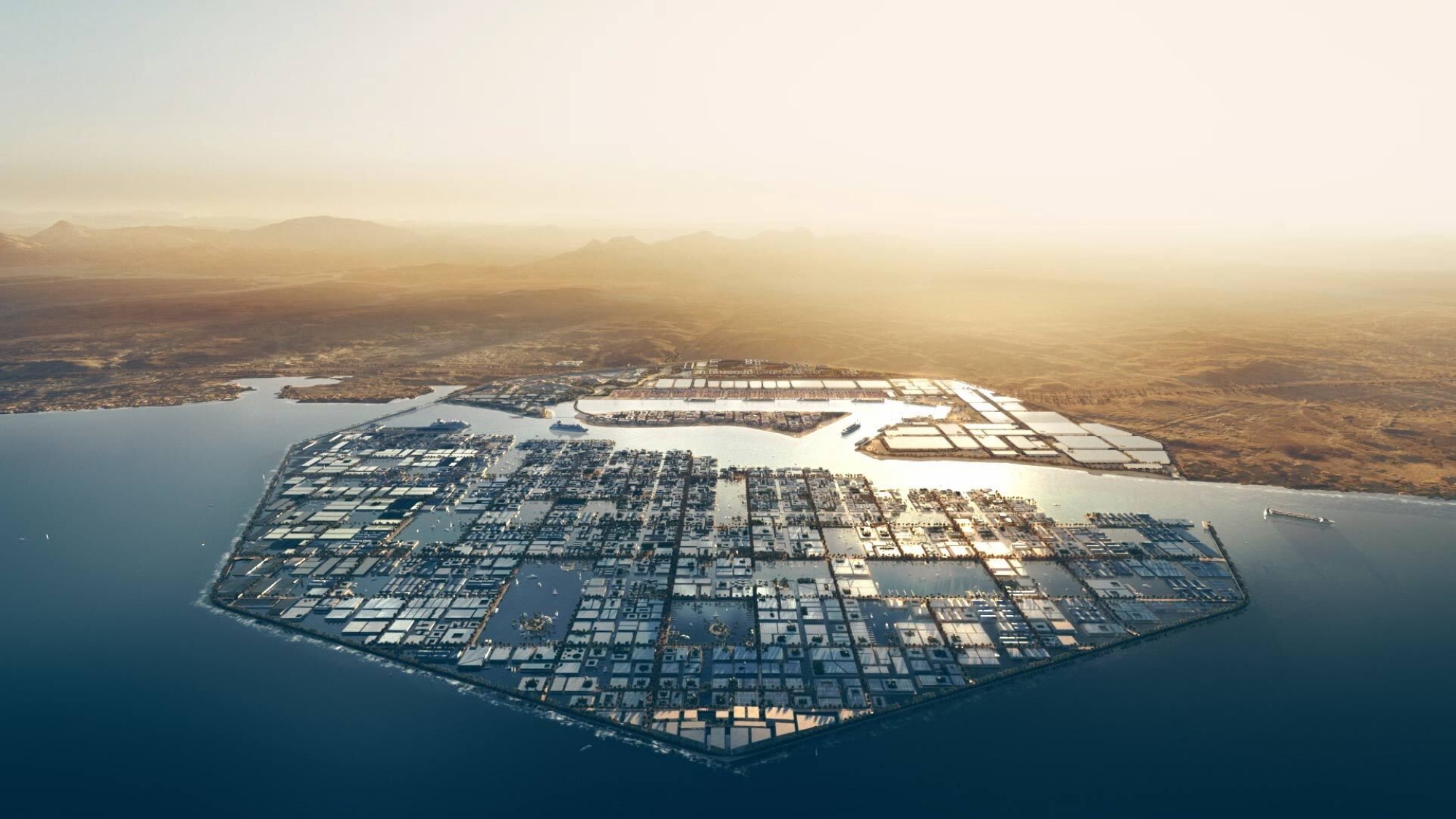
The Louisiana partnership is just one piece of a larger puzzle. Air Products and Yara are also finalizing a marketing and distribution agreement for the NEOM Green Hydrogen Project in Saudi Arabia, which is now more than 90% complete. That facility is expected to begin commercial production in 2027, supplying up to 1.2 million tonnes of renewable ammonia annually.
Under the proposed arrangement, Yara would commercialize any ammonia from NEOM that Air Products doesn't sell as renewable hydrogen in Europe. This positions Yara as the global distributor for what will become the world's first large-scale renewable ammonia plant.
Why Low-Carbon Ammonia Matters
Ammonia isn't just fertilizer anymore. It's emerging as a critical player in the energy transition for several reasons:
- Hydrogen Carrier: Ammonia can be "cracked" back into hydrogen at destination ports, making it an efficient way to transport clean energy across oceans.
- Marine Fuel: Shipping companies are exploring ammonia as a zero-carbon alternative to bunker fuel for long-haul vessels.
- Power Generation: Japan and other countries are investing in ammonia co-firing at coal plants to reduce emissions during the energy transition.
- Industrial Decarbonization: Hard-to-abate sectors need clean hydrogen and ammonia as feedstocks to lower their carbon intensity.
Global ammonia demand is forecast to double by 2050, with low-carbon ammonia expected to capture nearly two-thirds of that market. The race to build production capacity is heating up, with projects advancing across Texas, the Gulf Coast, and international locations.

Louisiana's Growing Role in Clean Energy
The Louisiana Clean Energy Complex adds to a growing wave of blue ammonia investments transforming the state's industrial corridor. The Gulf Coast's unique combination of existing infrastructure, favorable geology for carbon storage, and proximity to major shipping lanes makes it an ideal location for these capital-intensive projects.
The project gained new momentum after facing a period of uncertainty earlier in 2025. Air Products had taken a $2.3 billion write-down as it exited several projects and refocused its strategy under CEO Eduardo Menezes. The Yara partnership effectively de-risks the Louisiana investment by locking in a major offtaker and sharing the capital burden.
With over 270 carbon capture projects announced across the United States representing $77.5 billion in investment, the Gulf Coast region is positioning itself as the epicenter of America's decarbonization push.
What Comes Next
Both companies are targeting a final investment decision by mid-2026, subject to air permit issuance and finalization of construction contracts. If all goes according to plan, the Louisiana Clean Energy Complex could be operational by 2030, marking a significant milestone in North America's clean hydrogen and ammonia production capacity.
The partnership model being developed here could serve as a template for future projects. By separating hydrogen production from ammonia manufacturing and distribution, developers can tap into different expertise pools and financing sources while managing risk more effectively. Other blue ammonia projects in development will be watching closely to see if this structure delivers on its promise.
For now, the announcement signals strong confidence in the future of low-carbon ammonia from two of the industry's biggest players. The combination of Air Products' hydrogen expertise and Yara's global distribution muscle could prove to be exactly what this market needs to move from pilot projects to industrial-scale reality.
Subscribe to the newsletter
Daily decarbonization data and news delivered to your inbox
Follow the money flow of climate, technology, and energy investments to uncover new opportunities and jobs.
Latest issues
-
The US Hasn't Made Heavy Water Since 1982
Inside This Issue ⚛️ Aternium Completes FEED Studies for US Hydrogen, Heavy Water Project 🐄 Google, McKinsey Strike Brazil Carbon Removal Deal With Silvopasture Project 🔧 Cummins Selects Stargate ...
-
Why Colorado’s Koloma Has Japan’s Largest Utility Hooked
Inside This Issue ⚡ JERA Invests in Koloma to Explore Natural Hydrogen as a Future Low-Carbon Energy 🔬 New CATF Tool Provides Framework for Self-Assessment and Strengthening of Biomass Carbon Remo...
-
LNK Energies Targets $6.50 Hydrogen With No Federal Subsidies
Inside This Issue 🚛 MIT Startup Says It Can Turn Diesel Trucks Into Cheaper Hydrogen Haulers, See It at Disrupt 🏭 Baytown City Council Briefs: ExxonMobil Blue Hydrogen Agreement Approved 🌎 Colorad...
Company Announcements
-
A new interactive tool from Clean Air Task Force (CATF) provides a practical framework for the self-assessment and strengthening of biomass carbon removal (BiCRS) protocols to help ensure that carb...
-
LanzaJet Secures Financing to Scale SAF Production and Supply Global Customers
CHICAGO, Oct. 15, 2026 (GLOBE NEWSWIRE) -- LanzaJet, Inc., a leading next-gen fuels technology company and fuels producer, today announced fully committed new financing of at least $20 million to s...
-
44.01 and Frontier Advance Permanent CO₂ Storage Through In-Situ Mineralization
44.01's in-situ mineralization (ISM) process turns CO₂ into solid rock underground in a few years, after which the risk of reversal is functionally zero. >> In Other News: JERA Invests in ...
-
JERA Invests in Koloma to Explore Natural Hydrogen as a Future Low-Carbon Energy
JERA Co., Inc. (JERA), through its corporate venture capital arm JERA Ventures, has invested in Koloma, Inc. (Koloma), a U.S.-based natural hydrogen exploration and development company. The invest...