
Microsoft and CO280 team up for a bold bet on biogenic carbon capture
In a move that could reshape how legacy industries participate in climate solutions, Microsoft is backing a carbon capture project spearheaded by CO280, a climate tech developer working with pulp and paper mills. The deal covers 3.7 million metric tons of carbon removal credits over a 12-year period.
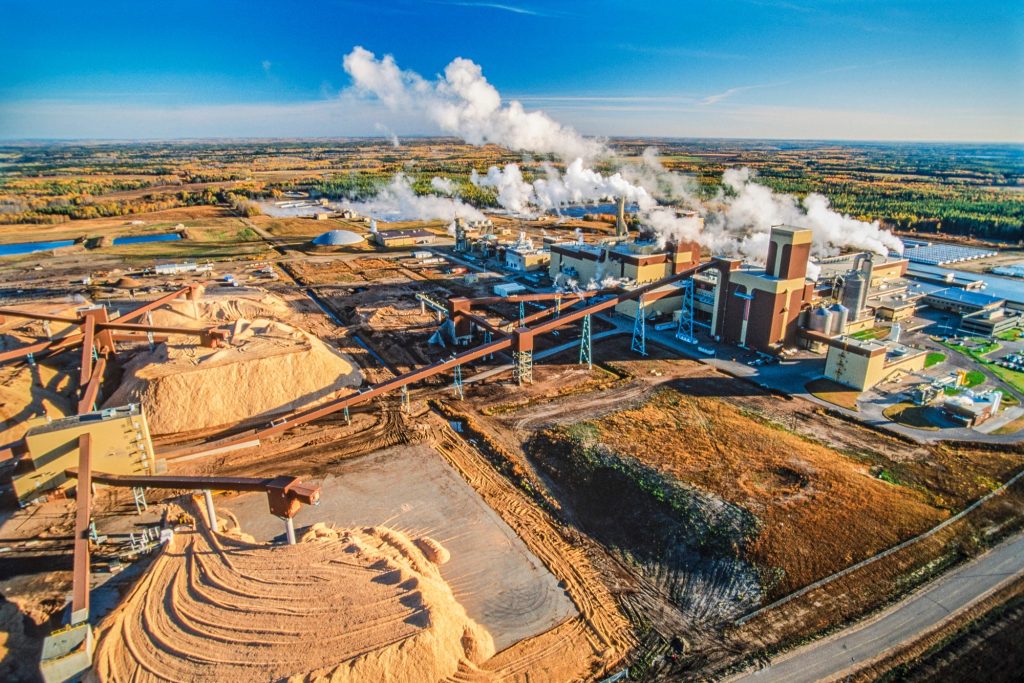
This partnership puts Microsoft's climate ambition into action while unlocking a powerful new role for one of America’s oldest industries. The project retrofits a Gulf Coast pulp and paper mill with carbon capture technology that traps and stores biogenic CO2 emissions underground.

How it works: Biogenic carbon becomes a climate asset
The pulp and paper industry, responsible for nearly 100 million metric tons of biogenic CO2 emissions annually, produces energy by burning “black liquor,” a carbon-rich byproduct of wood processing. CO280’s approach diverts those emissions before they hit the atmosphere.
Using the amine process, a well-established carbon capture method, CO280 captures around 40% of the biogenic CO2 and 30% of total CO2—including emissions from fossil fuels powering the operation. The captured carbon is then transported 40 miles by pipeline to a saline aquifer for permanent storage.
“It just seemed like a no-brainer that everyone had missed,” said Jonathan Rhone, CO280’s co-founder and CEO. Rhone’s background in power plant development gave him a unique perspective on how to retrofit existing mills.
What makes this project unique
The carbon removal project isn't just a technical feat—it’s a strategic win. The Gulf Coast is already a hub for carbon storage infrastructure, and many pulp and paper mills are located nearby. That “happy coincidence,” as Rhone puts it, makes the region ideal for rapid expansion.
CO280 expects the first facility to be operational in 2028, with plans to roll out millions of tons of removal capacity annually across at least 10 more projects. As the initiative scales, it could position the pulp and paper sector as a leading engine for negative emissions.
Microsoft’s carbon-negative goals get a boost
Microsoft has pledged to become carbon negative by 2030. The company emitted 17.1 million metric tons of greenhouse gases in 2023, according to its sustainability report. Not all of that can be mitigated with renewables, so it’s leaning on carbon removal to fill the gap.
Deals like this one with CO280 allow Microsoft to offset what can’t be eliminated, especially in hard-to-abate areas like cloud computing and AI workloads. “The trees do all the heavy lifting by capturing CO2 from the atmosphere,” said Rhone, reinforcing the natural carbon sink at the heart of the project.
>> In Other News: Andriaki and Arbor Day Carbon Partnered To Support Reforestation and Carbon Removal Credits
A new model for industry partnerships
This isn’t a typical carbon offset arrangement. CO280 structures these as joint ventures with the paper mills themselves. That means mills not only cut emissions but also earn a share of the carbon credit revenue.
CO280 sells removal credits at about $200 per metric ton, but tax incentives like the U.S. 45Q credit and provisions from the Inflation Reduction Act help bring costs down further for buyers. These incentives make projects financially viable while rewarding companies like Microsoft that invest early.
The credits will also be verified and additional—something that’s increasingly scrutinized in the carbon markets. With partners like SLB and Aker Carbon Capture involved in the technical delivery, CO280 aims to ensure the system meets global best practices.
Balancing optimism with scrutiny
Still, some researchers have raised flags about the long-term carbon math. CarbonPlan questioned whether retrofits like these achieve true carbon removal, particularly if they only capture part of a facility’s total emissions.
Rhone addressed that concern directly, noting that while the first phase captures about 40% of biogenic CO2, future expansions could double that. "Ultimately the goal is to get to completely net zero mills, but these are complex projects,” he said.
Others point out that unlike ethanol-based carbon capture, pulp and paper mills use biomass from forests, making them more likely to achieve net-negative emissions when carbon is permanently stored.
The road ahead: scaling impact
CO280 is already working on more than 10 additional mill retrofits. With Microsoft’s backing, the company plans to add a couple million tons of carbon removal capacity every year. The retrofit investment is expected to be in the hundreds of millions of dollars per site.
The path won’t be without challenges—financing, regulatory support, and verification will all need to scale with the technology. But the pieces are falling into place for an industry once seen as a climate problem to become part of the solution.
By using the paper supply chain to remove carbon, this partnership shows how industrial operations and tech companies can team up for long-term impact. If successful, it could serve as a blueprint for other sectors with biogenic emissions to follow.
Subscribe to the newsletter
Daily decarbonization data and news delivered to your inbox
Follow the money flow of climate, technology, and energy investments to uncover new opportunities and jobs.
Latest issues
-
How Vaulted Deep Turned Offtakes Into $35M Debt
Inside This Issue 🏦 How Carbon Removal Offtakes Are Starting to Unlock Commercial Debt 🌉 California Opens the Door to a Three-Way Carbon Market 🧪 New Material Developed at Oregon State Provides Bo...
-
Canada Wants Foreign Buyers for Its Carbon Removals
Inside This Issue 🍁 Canada Explores Article 6 Path to Global Carbon Buyers 🌲 ARC Bio Demonstrates Canadian Forest Residue Pathway to Sustainable Aviation Fuel 🌾 Business, Forestry and Agriculture ...
-
How ADM Is Turning 800,000 Nebraska Tons Into Carbon Credits
Inside This Issue 🌾 ADM's 800,000-Ton Nebraska Bet on Carbon Removal Credits 🏔️ BLM Reaches New Milestone for Southeast Wyoming Carbon Storage Project 🍁 Haffner Energy Receives a €3.2M Firm Order ...
Company Announcements
-
Uniper signs capacity reservation agreement for future SAF supply from Syzygy Plasmonics' NovaSAF™ platform This agreement reflects growing market momentum in biogas to SAF technology and provides...
-
Anew Climate Expands European Forest Carbon Portfolio Through Ten-Year Agreement with Sweden's EKEN
Partnership brings Swedish improved forest management credits, developed under Verra's VM0045, to Anew's corporate buyers. Anew Climate (Anew), one of the world’s largest developers and marketers ...
-
Ocean Visions Launches Comprehensive Knowledge Platform on Marine Carbon Dioxide Removal
mCDR Knowledge Platform New public platform connects organizations, technologies, projects, and field trials to provide a more integrated view of the rapidly evolving mCDR landscape "This user-fr...
-
Reverion builds world-record efficiency solid oxide fuel cell (SOFC) power plants that generate electricity from gas, provide flexible energy storage through reversibility and can be run carbon-ne...